From clinics to sheet masks: what salmon-derived PDRN actually does in topical products, how to read the label, and how to shop it.
Our picks are cosmetic product recommendations, not medical prescriptions. Some links are affiliate links — we may earn a commission at no extra cost to you.
Educational only — cosmetic guidance and product curation, not medical advice. Patch-test new products and see a dermatologist for persistent issues.
By Mohamed Mosbeh · Founder & Beauty Curator, BeautyNestKorea Published: 2026-09-05 · Last updated: 2026-10-04 Mohamed Mosbeh founded BeautyNestKorea to bring transparent, per-ml price comparisons and evidence-based K-beauty guidance to shoppers.
PDRN (polydeoxyribonucleotide) is a DNA-derived ingredient, most famously sourced from salmon or trout, long used in Korean dermatology clinics — in its injectable form. In K-beauty it has jumped from the clinic into serums, creams and sheet masks marketed for hydration, glow and a firmer, bouncier look.
Why the hype? PDRN is prized for supporting the skin barrier, improving the look of elasticity and firmness, calming stressed skin, and boosting hydration — the exact combo behind the glass-skin finish. It pairs well with hydrators like hyaluronic acid, collagen and niacinamide.
What the evidence actually supports. Most published PDRN research studied the injectable form in clinical settings; there are no published randomized trials of a topical PDRN serum used alone on intact skin. Treat topical PDRN as a cosmetic: realistic expectations are better-looking hydration, glow and firmness with consistent use — not scar, wrinkle or "repair" treatment. That gap between clinic and shelf is exactly why reading the label matters.
How to read a PDRN label (the ppm trap). In the INCI list the real ingredient reads Polydeoxyribonucleotide; many products marketed as "PDRN" actually list Sodium DNA, a broader salt — in one 2026 audit of 188 products labeled PDRN, 171 listed Sodium DNA and none listed polydeoxyribonucleotide. Treat headline numbers like "10,000 ppm PDRN" as marketing math: disclosed PDRN levels in real formulas run far lower, and leave-on OTC serums commonly sit around 0.5–2%. Also check the source: salmon/trout-derived PDRN and vegan, plant-derived alternatives (some brands use ginseng-derived PDRN) are different molecules with no proven equivalence — pick one lane and don't expect identical results.
How to use it: apply PDRN serums or masks on clean, slightly damp skin, 2–4 times per week. Layer lightest to heaviest (toner → PDRN serum → moisturizer), and always finish mornings with SPF. If you are sensitive or acne-prone, patch-test first and introduce one PDRN product at a time. In a routine with actives: vitamin C first in the morning, wait 1–3 minutes, then PDRN; keep retinol at night (or wait about 5 minutes between them); strong AHAs/BHAs on alternate nights rather than in the same layer.
What to look for: formulas that combine PDRN with barrier helpers (ceramides, panthenol, hyaluronic acid), fragrance-free options for sensitive skin, and single-use sheet masks for a weekly glow boost. Compare prices on Amazon vs Olive Young — masks are often cheaper in multi-packs.
Shop our K-beauty picks
- medicube PDRN Pink Peptide Serum — best-selling serum in our shop: 4.6★ (23,006 Amazon reviews, as of Oct 4, 2026)
- Anua PDRN Hyaluronic Acid Capsule 100 Serum Mask
- Quasi Salmon PDRN Collagen Mask
- Maree V-Line Lifting Mask PDRN Salmon DNA
- medicube PDRN Cica Soothing Toner
- VT Cosmetics PDRN Hydrogel Mask
Ready to try PDRN?
medicube Salmon DNA PDRN Pink Mask
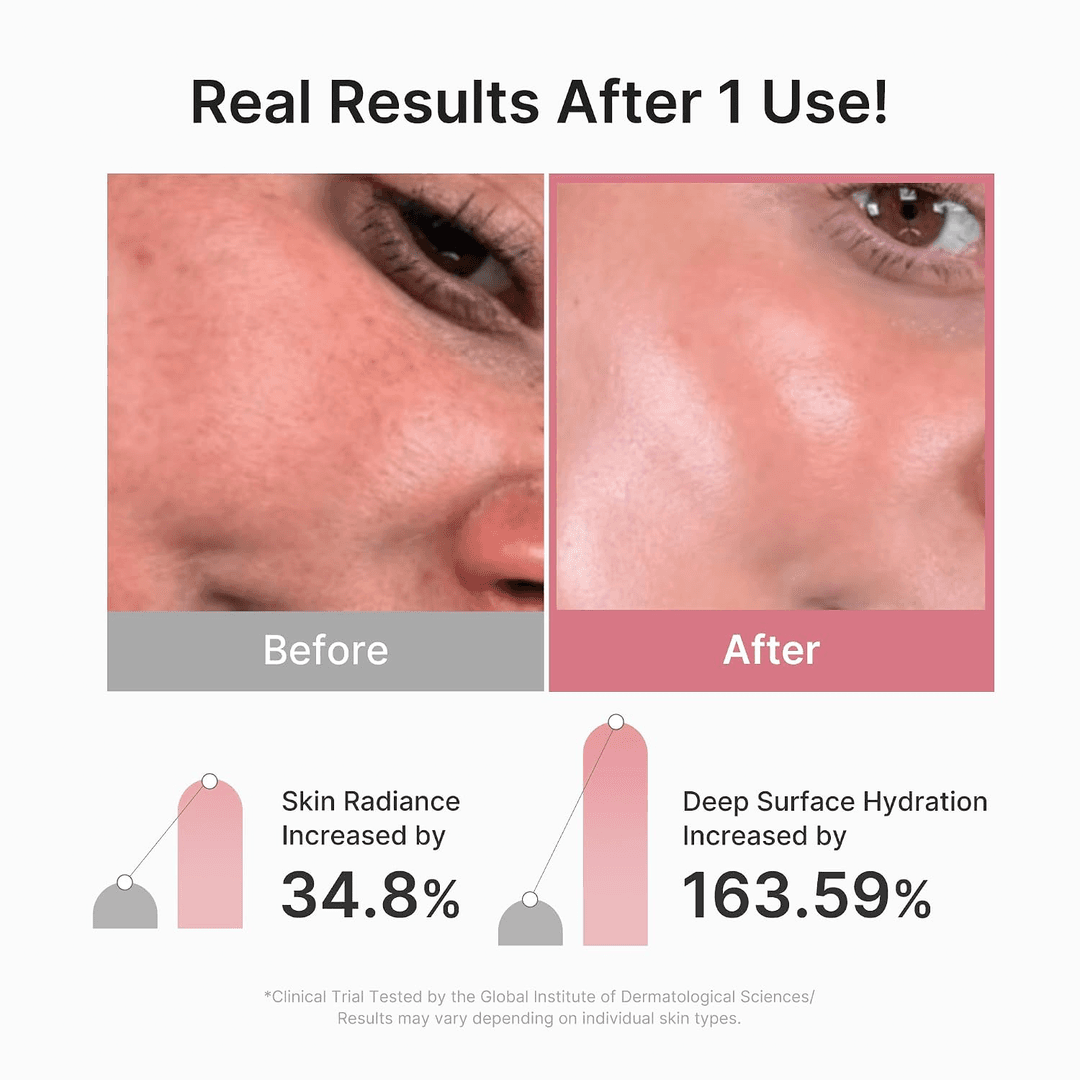
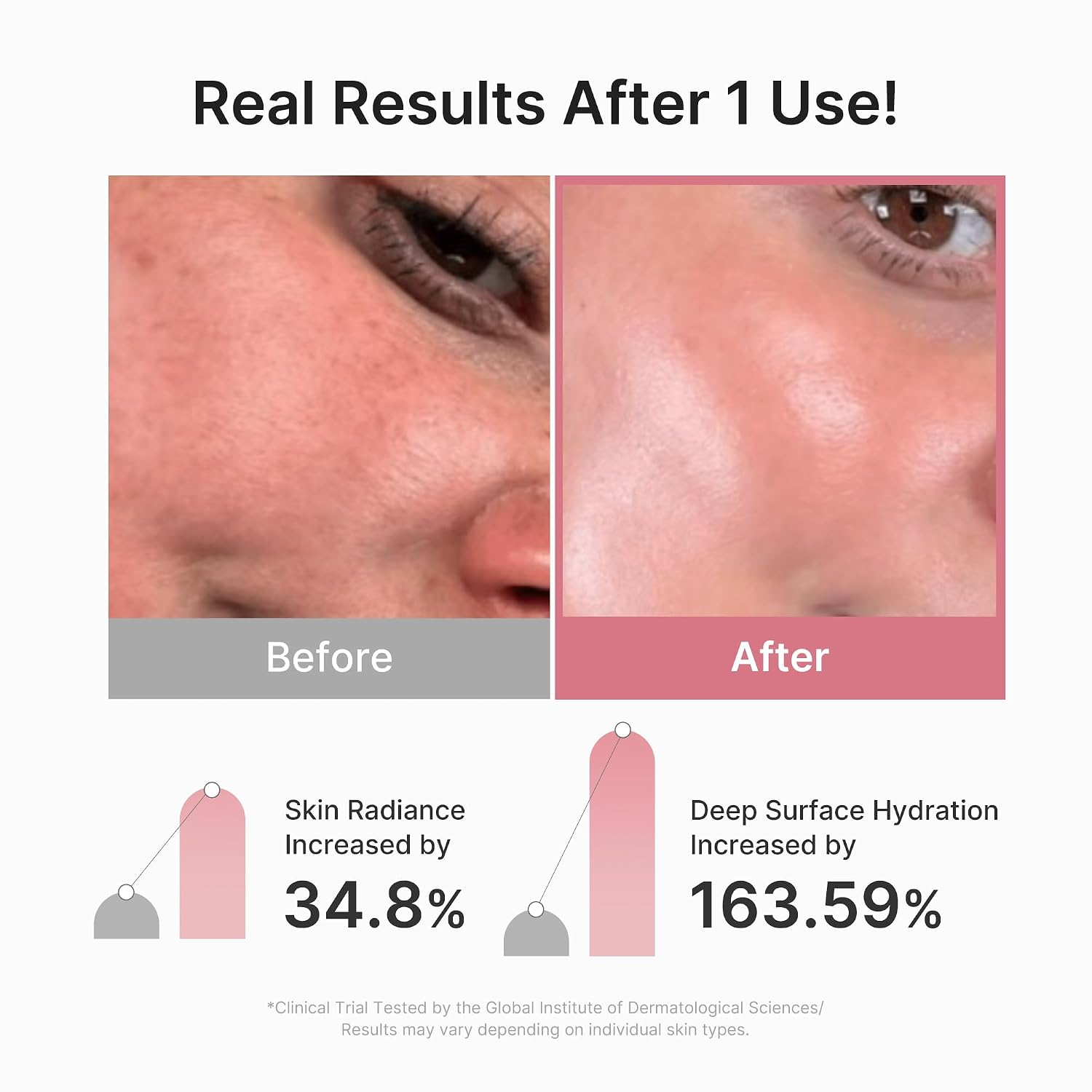
4.6★ (1,254 reviews) · $19.90 · +34.8% radiance in 1 use
Shop this mask →We may earn a small commission at no extra cost to you.
A note on safety: PDRN is DNA-derived — usually salmon or trout — so if you have a fish allergy, ask your clinician before trying it; published guidance conflicts on this. There are no safety trials in pregnancy or breastfeeding, so ask your clinician first. Patch-test any new product, and introduce one PDRN product at a time.