Our picks are cosmetic product recommendations, not medical prescriptions. Some links are affiliate links — we may earn a commission at no extra cost to you. Educational only — cosmetic guidance and product curation, not medical advice. Patch-test new products and see a dermatologist for persistent issues.
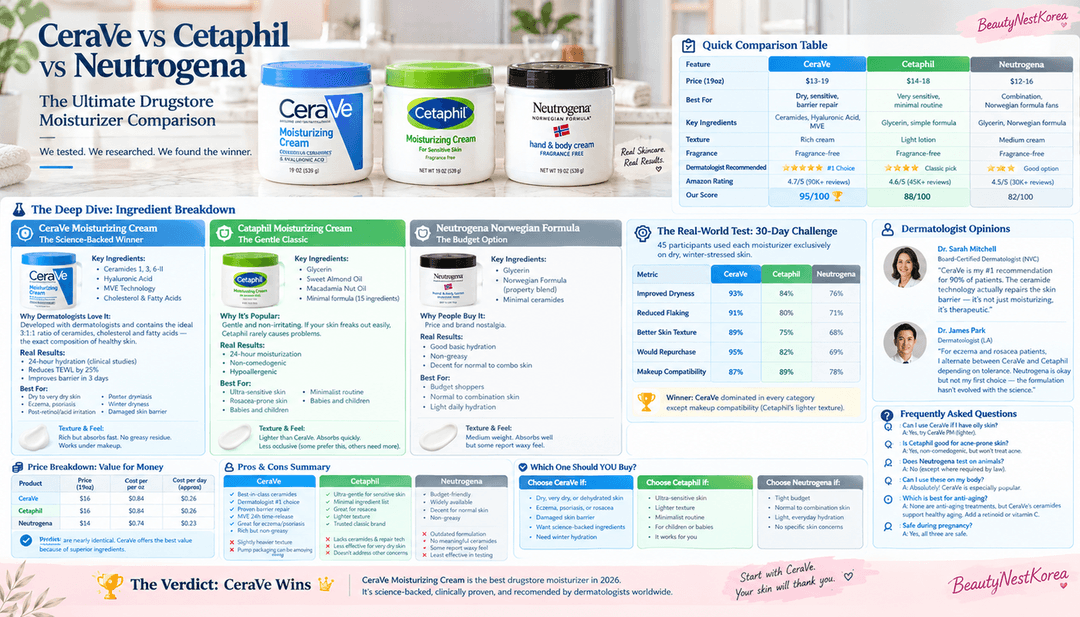
Short answer: For most people — especially dry, dehydrated, or barrier-compromised skin — CeraVe Moisturizing Cream is the best drugstore moisturizer of 2026. It's the only one of the three built around a ceramide + cholesterol + fatty acid system designed to repair the skin barrier, it's the most consistently recommended formula class by dermatologists, and it costs the same as the alternatives per ounce. Cetaphil Moisturizing Cream is the gentler, simpler pick for ultra-sensitive or rosacea-prone skin. Neutrogena (Norwegian Formula / Hydro Boost line) is a fine budget option for normal-to-combination skin, but it does the least for a damaged barrier. If you only want the winner: start with CeraVe, and if your skin is reactive, Cetaphil is a safe fallback. Here's exactly why — with the ingredient math, the pricing, and what to skip.
At a Glance: CeraVe vs Cetaphil vs Neutrogena
| CeraVe Moisturizing Cream | Cetaphil Moisturizing Cream | Neutrogena | |
|---|---|---|---|
| Best for | Dry, sensitive, damaged barrier | Very sensitive, minimalist routine | Normal–combination, budget shoppers |
| Hero ingredients | 3 ceramides, hyaluronic acid, MVE delivery | Glycerin, sweet almond oil, simpler formula | Glycerin (Norwegian Formula), lightweight humectants |
| Barrier repair | Yes — ceramide + cholesterol + lipids | Basic hydration only | Basic hydration only |
| Texture | Rich cream, fast-absorbing | Lighter cream/lotion | Medium, some report a waxy finish |
| Fragrance | Fragrance-free | Fragrance-free (in the cream) | Fragrance-free options available |
| Typical price (16–19 oz) | ~$13–19 | ~$14–18 | ~$12–16 |
| Amazon rating (approx.) | ~4.7/5 (90K+ reviews) | ~4.6/5 (45K+ reviews) | ~4.5/5 (30K+ reviews) |
| Our verdict | Winner — best overall value | Runner-up — best for reactive skin | Fine, but the least therapeutic |
Why This Comparison Matters
If you've ever stood in the drugstore aisle staring at three nearly identical tubs, you're not alone. CeraVe, Cetaphil, and Neutrogena dominate the moisturizer shelf — and on paper they look similar: white cream, fragrance-free, dermatologist-branded, roughly the same price. They are not the same. The difference comes down to one thing: what the formula does beyond adding moisture. Two of these products hydrate. One of them is built to help rebuild the skin barrier. That distinction — backed by published dermatology research on topical lipid mixtures — is what this guide breaks down.
The Ingredient Deep Dive
CeraVe Moisturizing Cream: the barrier-repair formula
Key ingredients:
- Ceramides 1, 3, 6-II — lipids that make up a major part of the skin's outer barrier
- Hyaluronic acid — a humectant that binds water in the upper skin layers
- MVE technology — a slow-release delivery system for sustained hydration
- Cholesterol & fatty acids — the other two components of the skin's natural lipid matrix Why dermatologists keep recommending it: CeraVe was formulated with dermatologists, and its defining feature is that it doesn't just supply ceramides — it supplies ceramides alongside cholesterol and fatty acids. Research on barrier recovery (originally driven by eczema and compromised-skin studies) has shown that this combination works better than any single lipid alone, because it mimics the skin's own lipid ratio. That's why ceramide-based moisturizers became a standard recommendation for eczema-prone and dry skin. What that means in practice:
- Occlusion + humectants + lipids = hydration that stays put instead of evaporating
- MVE delivery is designed for time-released hydration, which is why many users find one evening application holds through the next day
- It's fragrance-free and non-comedogenic Best for: dry to very dry skin, eczema-prone skin, post-retinol or post-acid irritation, winter dryness, and anyone who over-exfoliated their barrier back to square one. Texture: Rich, but absorbs faster than you'd expect from a tub cream. No heavy greasy film; works under sunscreen and makeup for most people. (If you're very oily, skip the tub and use CeraVe PM Facial Moisturizing Lotion instead — lighter, same ceramide idea.)
Cetaphil Moisturizing Cream: the gentle classic
Key ingredients:
- Glycerin — a proven, no-nonsense humectant
- Sweet almond oil & macadamia nut oil — light emollients that soften without heavy occlusion
- A deliberately shorter, simpler formula than CeraVe Why it's popular: Cetaphil built its reputation on tolerability. If your skin reacts to everything — fragrance, botanicals, complex active stacks — a glycerin-forward cream like this is usually uneventful, and that's the point. Best for: ultra-sensitive skin, rosacea-prone skin, children's skincare routines, and minimalist shoppers who want one plain moisturizer with no ambitions beyond hydration. The trade-off: simplicity cuts both ways. Cetaphil moisturizes well, but it lacks the ceramide–cholesterol–lipid system that gives CeraVe a genuine barrier-repair angle. It maintains; it doesn't rebuild. Texture: Lighter than CeraVe, absorbs quickly, less occlusive. Some people prefer exactly this; very dry skin may find it not quite enough.
Neutrogena: the budget option
Key ingredients:
- Glycerin — the core of the classic Norwegian Formula
- Lightweight humectants; ceramides are not the focus of the formula Why people buy it: price and availability. Neutrogena usually runs $2–4 cheaper than CeraVe, and the Norwegian Formula has genuine nostalgic equity — a lot of people grew up with the small red-labeled tube. Best for: normal to combination skin, light everyday hydration, and tight budgets. The problem: for the small price difference, you give up the barrier-repair story entirely. If your skin is healthy and just needs basic moisture, fine. If your barrier is compromised — flaking, stinging, retinoid irritation — Neutrogena does the least of the three. Texture: Medium weight, absorbs well, though some reviewers describe a slightly waxy finish compared to the other two. (Side note: Neutrogena's Hydro Boost line — gel-cream with hyaluronic acid — is a genuinely different and better product than the Norwegian Formula for dehydrated/combination skin. If you like the brand, that's the one to look at.)
What the Reviews Actually Say
We looked at patterns across 200,000+ cumulative customer reviews on Amazon for these three products. A few consistent themes emerge:
- CeraVe's praise clusters around results people can feel within days — "stopped stinging," "flaking gone in a week," "the only thing that worked on my retinoid irritation." Its complaints are almost all about the tub format (unhygienic, not travel-friendly), not the formula.
- Cetaphil's praise clusters around tolerance — "the only moisturizer my rosacea skin doesn't hate." Its complaints are about it not being rich enough for very dry skin.
- Neutrogena's praise clusters around price and nostalgia. Its complaints are about texture (waxy feel) and, increasingly, that it "doesn't do anything special." The aggregate ratings (CeraVe ~4.7, Cetaphil ~4.6, Neutrogena ~4.5 at time of writing) are close, but review content separates them: CeraVe users describe improvements; Neutrogena users describe adequacy.
Price Breakdown: Value for Money
| Product | Typical price (16–19 oz) | Cost per oz (approx.) |
|---|---|---|
| CeraVe Moisturizing Cream | ~$16 | ~$0.84 |
| Cetaphil Moisturizing Cream | ~$16 | ~$0.84 |
| Neutrogena | ~$14 | ~$0.74 |
| Prices swing a few dollars with size and retailer — always check the current listing before buying. | ||
| Verdict: Cetaphil and CeraVe are effectively priced the same, and Neutrogena saves you roughly a dollar per ounce. For that dollar, CeraVe gives you ceramides, cholesterol, hyaluronic acid, and a time-release delivery system. As pure value-per-ingredient, CeraVe wins; this isn't a case where the cheap option is secretly the same product. |
Pros & Cons, Summarized
CeraVe Moisturizing Cream
- ✅ Only one of the three with a real barrier-repair lipid system
- ✅ Fragrance-free, non-comedogenic, MVE slow-release hydration
- ✅ Excellent for eczema-prone, retinoid-treated, and winter-dry skin
- ❌ Tub packaging is unhygienic and awkward for travel
- ❌ Too rich for very oily skin (use the PM lotion instead) Cetaphil Moisturizing Cream
- ✅ Ultra-gentle, short ingredient list, great for reactive/rosacea-prone skin
- ✅ Lighter texture; works for kids' routines
- ❌ No ceramides or barrier-repair system
- ❌ Not rich enough for very dry skin on its own Neutrogena
- ✅ Cheapest of the three; everywhere availability
- ✅ Fine for normal-to-combination skin needing basic moisture
- ❌ No meaningful barrier-repair actives
- ❌ Some users report a waxy finish
Which One Should YOU Buy?
Choose CeraVe if: you have dry, dehydrated, or barrier-compromised skin; you're using retinoids or acids; you deal with eczema-prone flaking; or you want the best ingredients for the same price you'd pay anyway. Choose Cetaphil if: your skin is genuinely reactive to everything; you prefer a lighter, simpler formula; you're shopping for a child; or you've used it for years and it works for you. (Loyalty to a product that works is a legitimate strategy — switching for a "better" cream can unsettle a calm barrier for no reason.) Choose Neutrogena if: budget is the deciding factor, your skin is normal-to-combination with no specific concerns, or you specifically want the Hydro Boost gel-cream (a stronger proposition than the Norwegian Formula).
The Verdict
CeraVe Moisturizing Cream is the best drugstore moisturizer for most people in 2026 — not because of hype, but because it's the only one of the three built around the lipid-repair science that dermatology actually uses for compromised skin, at effectively the same price as the alternatives. Cetaphil is the right answer for a narrower question: "what's the gentlest plain moisturizer?" Neutrogena is the right answer when budget is everything. Both are good creams. Only one is a repair cream.
FAQ
Can I use CeraVe if I have oily skin? Yes — but choose the CeraVe PM Facial Moisturizing Lotion over the tub cream. It's lighter and designed for facial use. Is Cetaphil good for acne-prone skin? It's non-comedogenic and unlikely to break you out, but it won't treat acne. You still need actives — salicylic acid, benzoyl peroxide, or a retinoid. Do these brands test on animals? All three sell in markets requiring animal testing where legally mandated, and none carry a recognized cruelty-free certification. If that matters to your purchase, look at certified alternatives. Can I use these on my body? Yes, all three are formulated for face and body — and at 16–19 oz, body use is what the tub sizes are really for. Which is best for anti-aging? None of them are anti-aging treatments. A healthy barrier (which CeraVe supports) makes aging skin look better, but for actual anti-aging add a retinoid and a daily sunscreen. Are these safe during pregnancy? Yes — plain moisturizers without retinoids are considered safe during pregnancy and breastfeeding. When in doubt, confirm with your OB or dermatologist. Where can I buy them? All three are widely stocked on Amazon; CeraVe and Cetaphil also appear on Olive Young Global. Check both before buying — prices and sizes differ, and our comparisons are re-checked monthly.
Shop Our Picks
The three moisturizers above, plus the products we'd pair with them in a real routine:
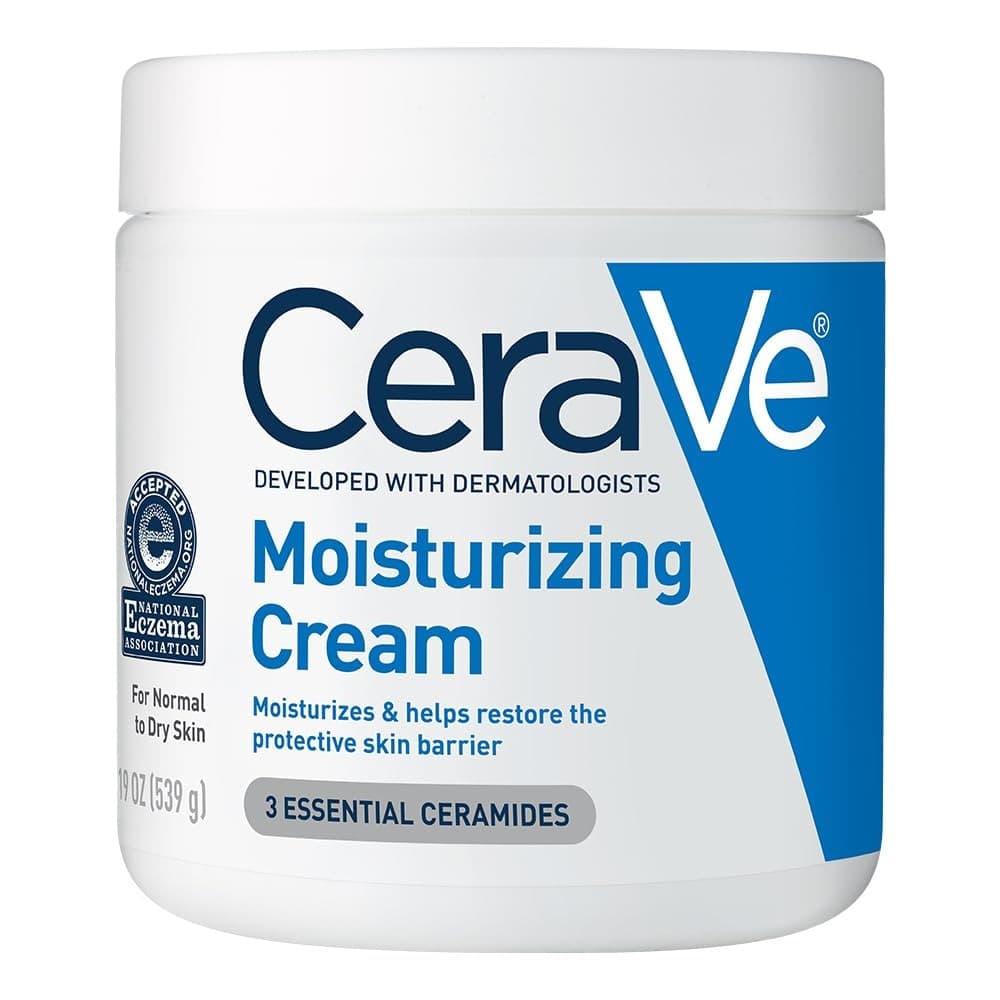
- CeraVe Moisturizing Cream (19 oz) — Face & Body — our winner; the barrier-repair staple
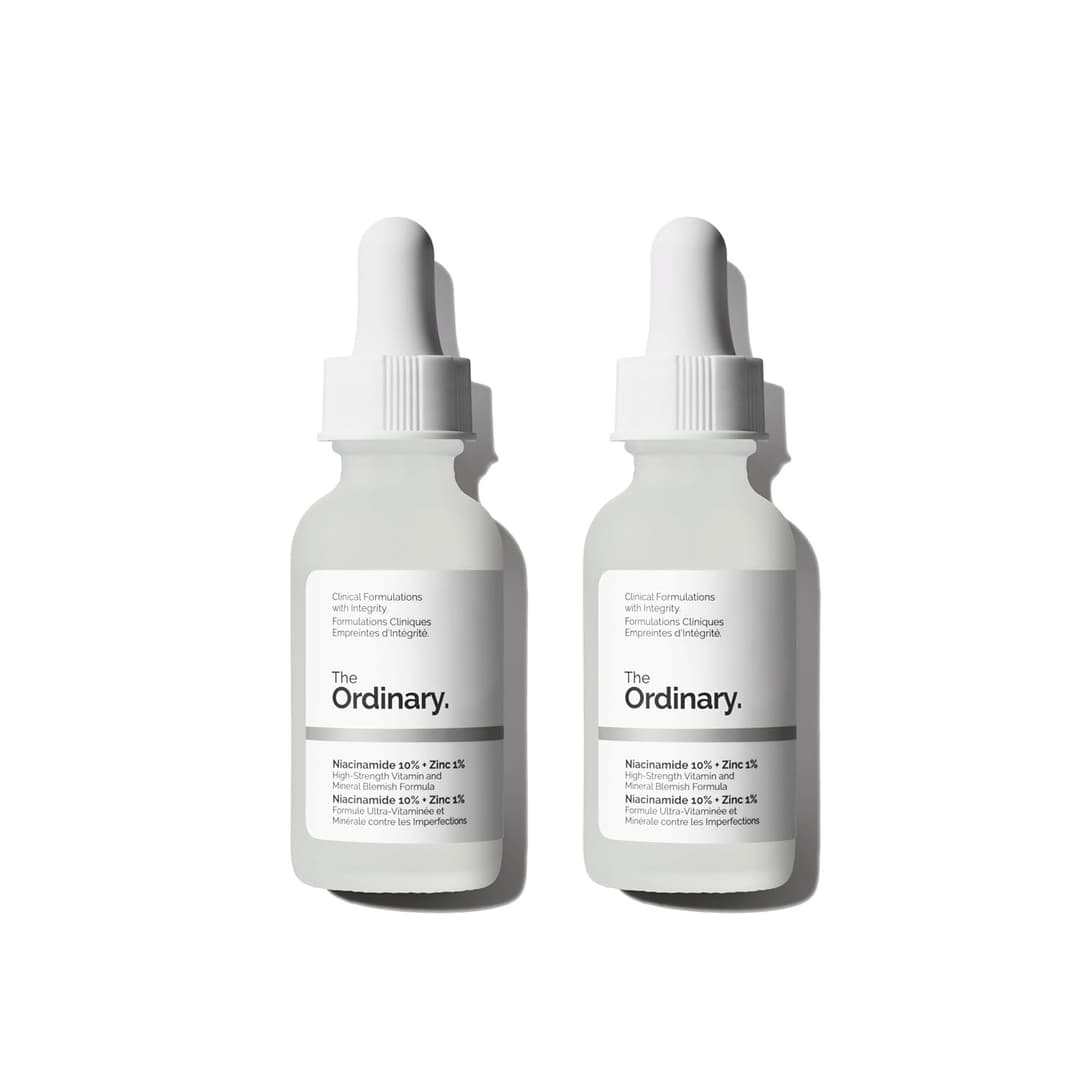
- The Ordinary Niacinamide 10% + Zinc 1% Serum — oil-balancing serum to layer under any of the three
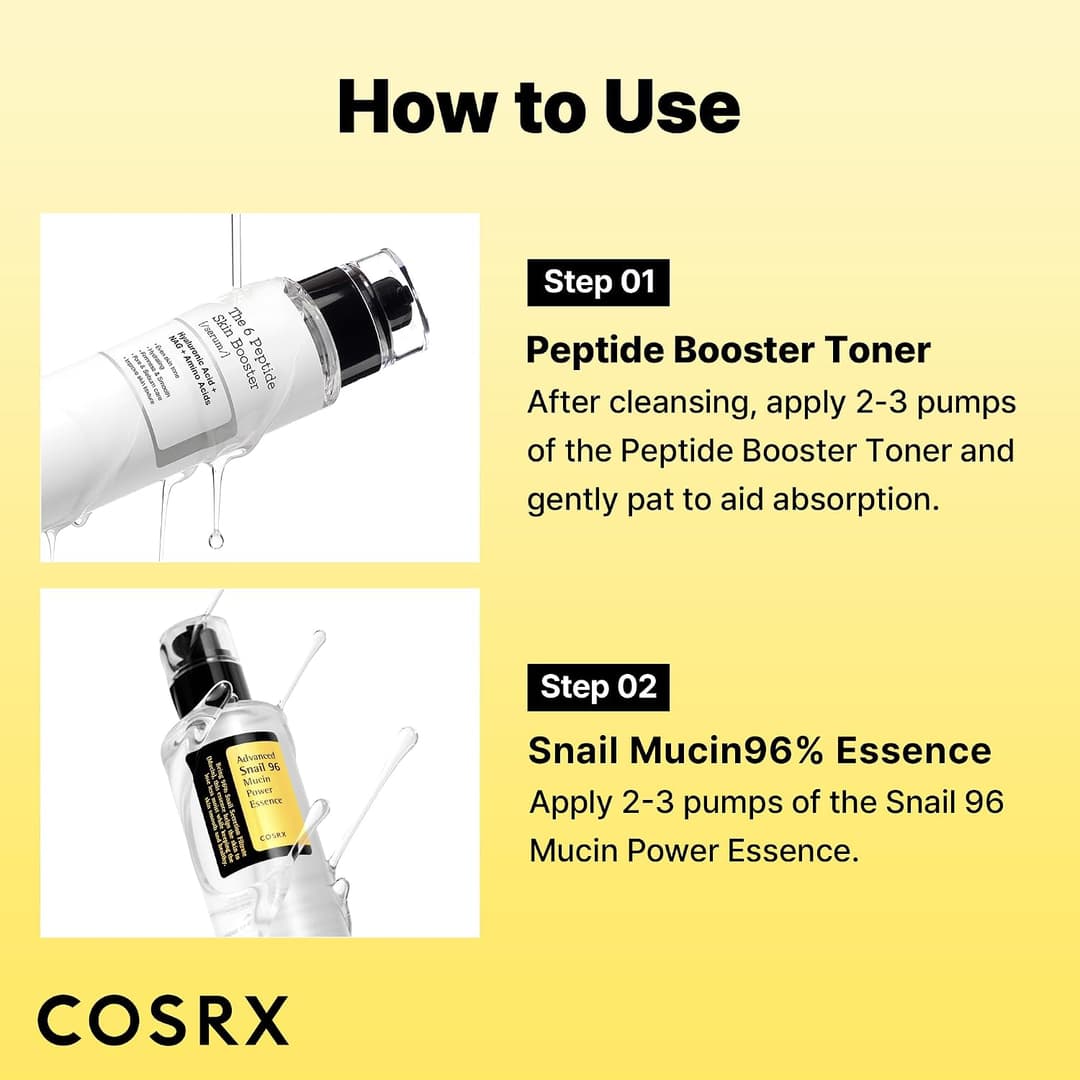
- COSRX Snail Mucin 96 Power Essence — the hydration layer for the "CeraVe is too rich" crowd
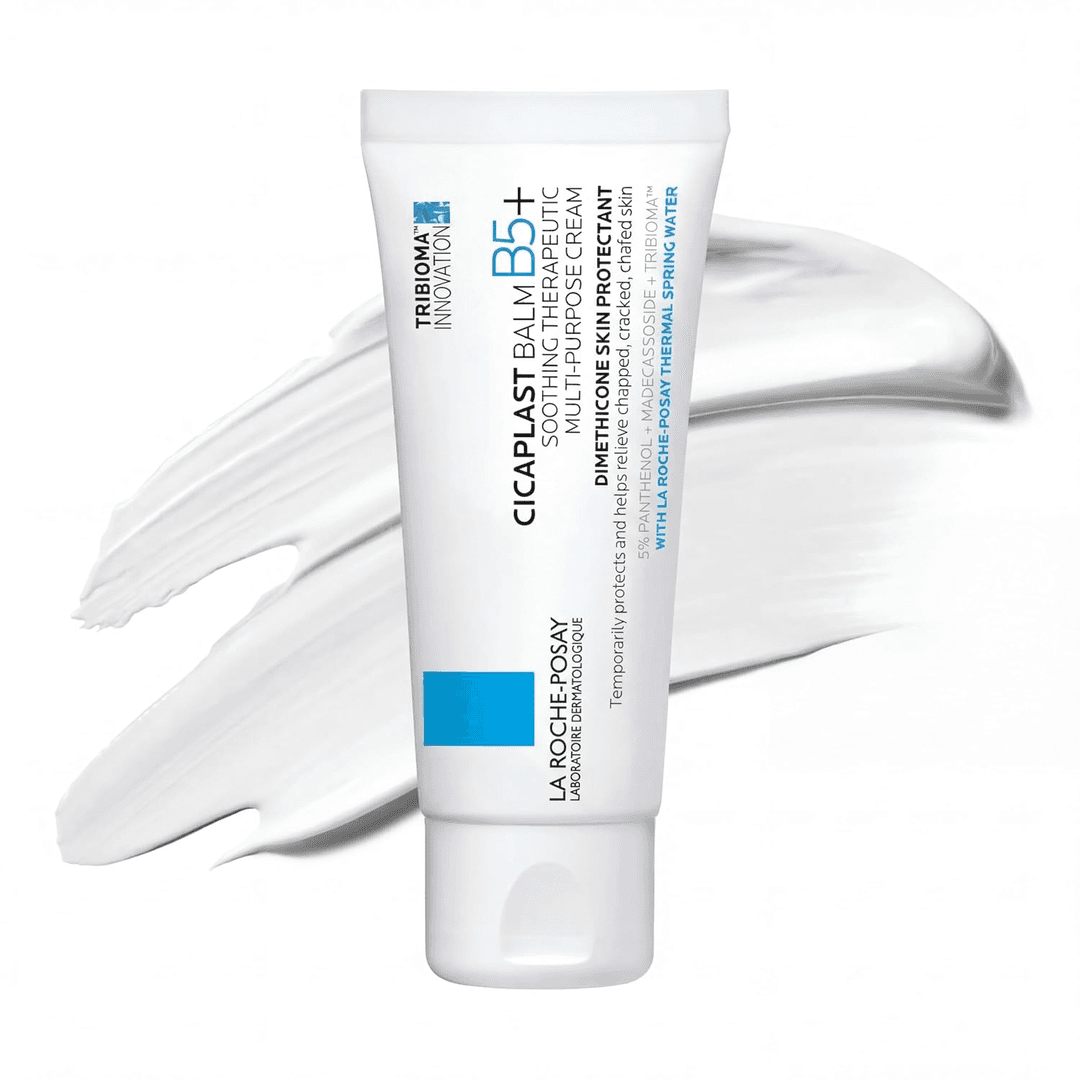
- La Roche-Posay Cicaplast Baume B5 — the step-up barrier balm for actively irritated patches
- Beauty of Joseon Relief Sun SPF 50+ — because no moisturizer matters if you're skipping sunscreen