
Colloidal oatmeal vs oat extract, what retinoid “purging” really means, and how to introduce glycolic and salicylic acid without wrecking your barrier.
Our picks are cosmetic product recommendations, not medical prescriptions. Some links are affiliate links — we may earn a commission at no extra cost to you.
Educational only — cosmetic guidance and product curation, not medical advice. Patch-test new products and see a dermatologist for persistent issues.
Affiliate Disclosure: We may earn a commission when you buy through links on this page, at no extra cost to you.
By Mohamed Mosbeh · Founder & Beauty Curator, BeautyNestKorea Published: 2026-09-19 · Last updated: 2026-09-20 Mohamed Mosbeh founded BeautyNestKorea to bring transparent, per-ml price comparisons and evidence-based K-beauty guidance to shoppers.
Educational only. This guide covers cosmetic skincare, not diagnosis or treatment. Patch-test new products and see a dermatologist for persistent issues. Seek urgent medical care for swelling of the face, mouth or throat, or any difficulty breathing.
Most skincare advice assumes your barrier is intact. After hives, a reaction, or a stretch of over-exfoliation, that assumption is wrong, and following a normal "actives" routine tends to make things worse. This guide covers the four decisions that matter most in those weeks: which oat ingredient you are actually buying, whether new breakouts mean progress or damage, and how to reintroduce glycolic and salicylic acid without starting over.
Colloidal Oatmeal vs Oat Extract: Not the Same Ingredient
These two get used interchangeably in marketing copy. They are not equivalent, and the difference is regulatory, not cosmetic.
Colloidal oatmeal is whole oat grain milled and processed to a tightly specified particle size, so it disperses in water and settles into an even layer on the skin. The FDA lists it as an active ingredient in its skin-protectant monograph, meaning products meeting the required conditions and concentrations may carry specific drug claims on the label.
Avena sativa (oat) extract is a cosmetic ingredient: a liquid or powder drawn from part of the oat plant. Its composition shifts with the plant part used and the extraction method, so two products naming it can behave quite differently.
The practical takeaway: if the label says oat extract, you are buying a cosmetic ingredient that may help skin look and feel softer and more hydrated. If it says colloidal oatmeal with a Drug Facts panel, you are buying a monograph product with defined label claims. Neither one makes "oat" a guarantee of tolerance, and neither addresses the underlying cause of a reaction.
Can You Use Colloidal Oatmeal Every Day?
For many people, yes, provided the formula is fragrance-free and does not cause itching, stinging, or visible redness. Start on a small area for several days before applying it more widely.
Two caveats worth more than the ingredient itself. First, if your reaction began after using an oat-containing product, do not reintroduce it until a clinician or allergy specialist has weighed in: oat sensitization is documented, particularly in people with a history of atopic dermatitis. Second, read the whole ingredient list. Fragrance, preservatives, and stray actives cause far more trouble than the hero ingredient on the front of the box, and "unscented" is not the same as fragrance-free.
There is no good evidence that daily oat extract stops a reaction from recurring. Its cosmetic role is hydration and comfort. That is genuinely useful, and it is also the whole of it.
Does “Purging” Happen When You Switch Retinoids?
Not reliably, and the term does more harm than good.
A peer-reviewed review found no primary clinical-trial data supporting the general belief that starting a topical retinoid makes acne flare, and concluded that early worsening often reflects the natural course of acne instead. One analysis of three phase-3 trials did find an early lesion increase in a subset of people with mild acne on tretinoin 0.025%, but this was not seen at moderate or severe baseline, and most participants improved. That is a narrow finding, not a universal purge stage with a fixed timeline.
What is well documented is irritation: dryness, peeling, burning, stinging, and redness, concentrated in the first few weeks. Learn to tell them apart, because the response differs completely.
Looks like irritation: diffuse redness, burning or stinging, tightness, flaking, tenderness, and symptoms that get worse with each application. Looks like an acne fluctuation: discrete lesions, without the rash, swelling, or barrier symptoms.
If your skin is burning, cracking, swelling, or peeling in sheets, do not "push through the purge." Pause the irritants and talk to whoever prescribed the retinoid before adjusting the dose or schedule. Note also that there is no validated washout or bridging protocol for switching between retinoids; anyone selling you a precise schedule is improvising.
Use retinoids at night, follow with moisturizer, and apply sunscreen every morning. The American Academy of Dermatology advises avoiding retinoids in pregnancy, including prescription and over-the-counter forms, and discussing planned pregnancy or breastfeeding with your clinician.
Is 10% Glycolic Acid Too Much for Body Skin?
The number tells you less than you think. FDA notes that the Cosmetic Ingredient Review considers glycolic and lactic acid cosmetic products safe at 10% or less when the final pH is 3.5 or higher and labeling addresses sun protection. Two products at 10% can still feel completely different, because pH, vehicle, contact time, and body site all shift how the acid behaves.
Glycolic acid can help improve the appearance of rough texture, bumpiness, and dull, uneven tone. AAD lists AHAs among the keratolytic options for keratosis pilaris, and also warns that applying more than directed, or more often, can leave skin raw and irritated.
Start once weekly on a small area, then increase only if your skin stays comfortable. Skip cracked, sunburned, or freshly shaved skin, and do not stack it with a retinoid or a second exfoliating acid in the same routine while you are still learning your tolerance. FDA notes AHA use may increase UV sensitivity during use and for up to a week after stopping, so daily sunscreen on exposed areas is part of the routine, not an optional extra.
Does a Salicylic Acid Cleanser Work If You Rinse It Off?
It can. Salicylic acid reaches the follicle quickly, and some active material stays behind on skin after rinsing rather than going straight down the drain. So a cleanser is not "expensive water," but it is also not equivalent to a leave-on product: expect a milder, slower effect, which is precisely why it suits sensitive or recovering skin.
FDA's OTC acne monograph permits salicylic acid at 0.5% to 2%, and warns that layering a second topical acne medication raises the likelihood of dryness and irritation. There is no established universal contact time. Individual labels vary; some specify roughly 20 to 30 seconds of gentle massage before rinsing thoroughly. Leaving it on longer has not been shown to improve results and reliably increases irritation.
If you are also using a retinoid or another exfoliant, watch for tightness, peeling, or persistent stinging. When those show up, drop back to a gentle cleanser and a simple moisturizer until skin feels normal again.
Wondering whether salicylic acid affects a hair-growth routine? See salicylic acid and minoxidil.
A Recovery-Week Routine, In Order
AAD's basic sequence is gentle cleanse, then treatment, then moisturizer and/or sunscreen. During a recovery stretch, cut the middle step almost entirely:
AM: rinse or gentle cleanser, hydrating toner or serum, fragrance-free moisturizer, broad-spectrum SPF 30 or higher. PM: gentle cleanser, soothing hydrator, barrier moisturizer.
Reintroduce one active at a time, at low frequency, and give it a week or two before adding anything else. If you cannot tell which product caused a problem, you added too many at once.
Gentle Routine Picks
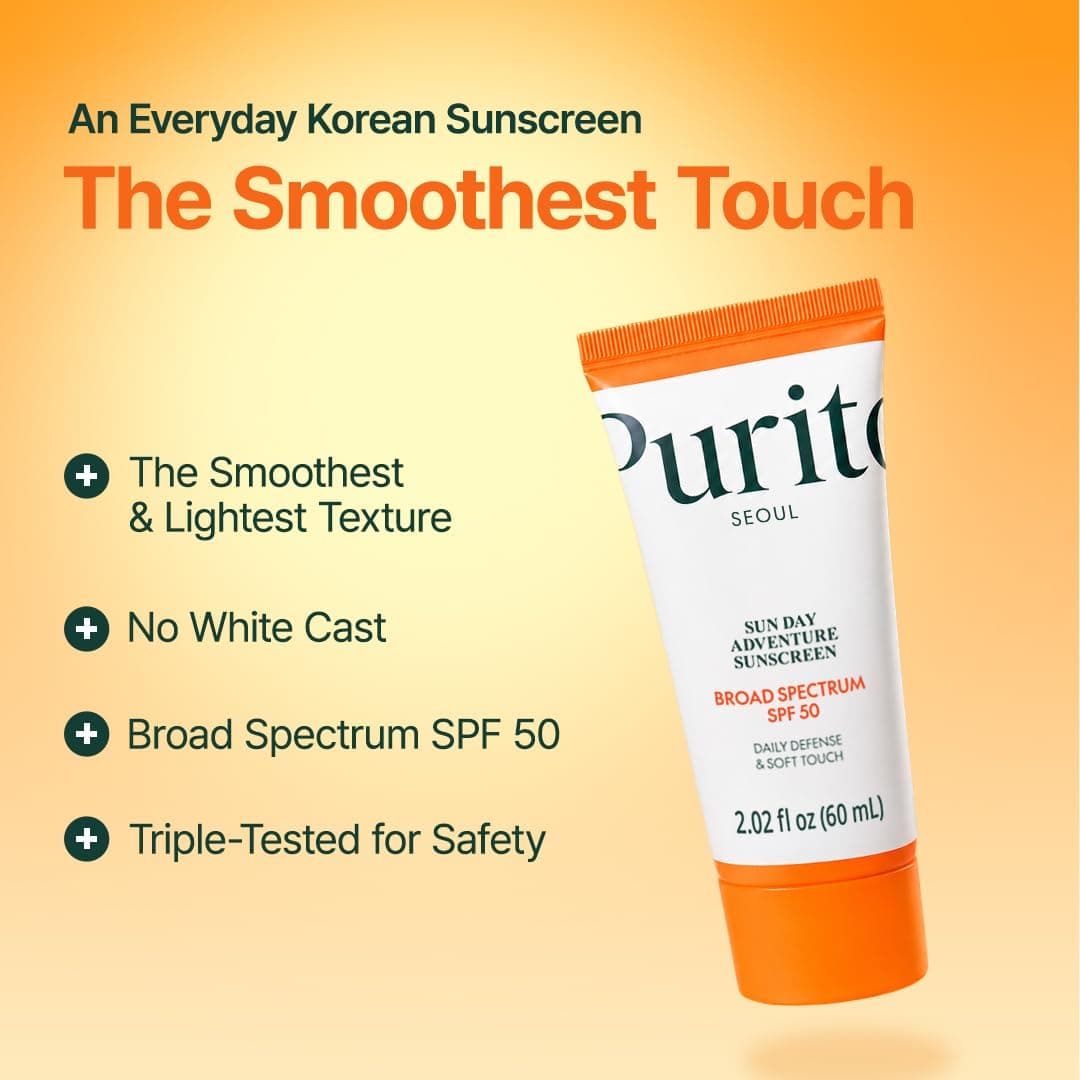
Purito Seoul
Purito Seoul Daily Soft Touch Sunscreen SPF50+ PA++++, 60ml
A lightweight daily SPF50+ PA++++ finish that sits comfortably under makeup — the morning step this guide never skips.
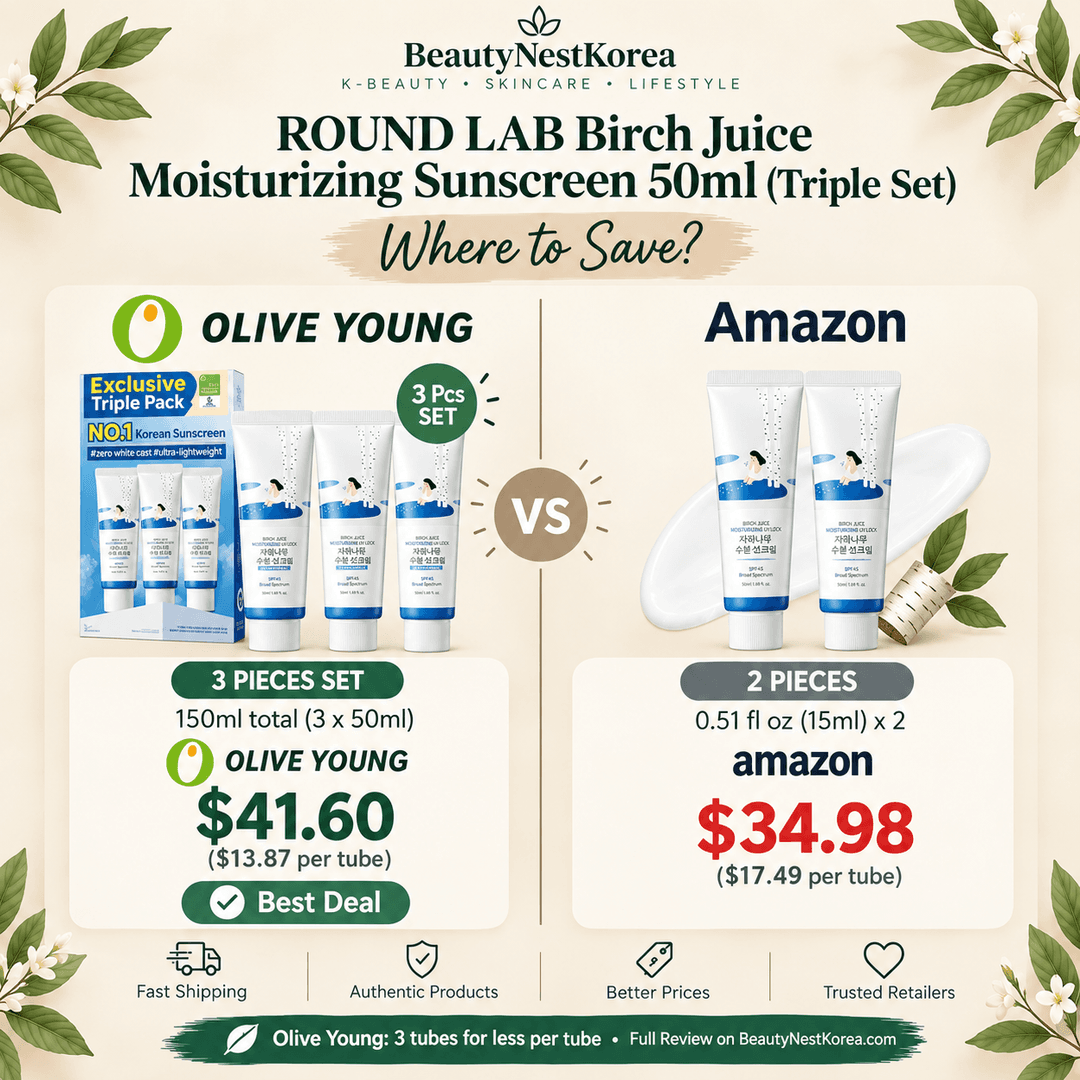
ROUND LAB
ROUND LAB Birch Juice Moisturizing UV LOCK SPF 45 Sunscreen, 50ml
A moisturizing UV filter with a dewy, non-stripping feel for dry or simplified routines.
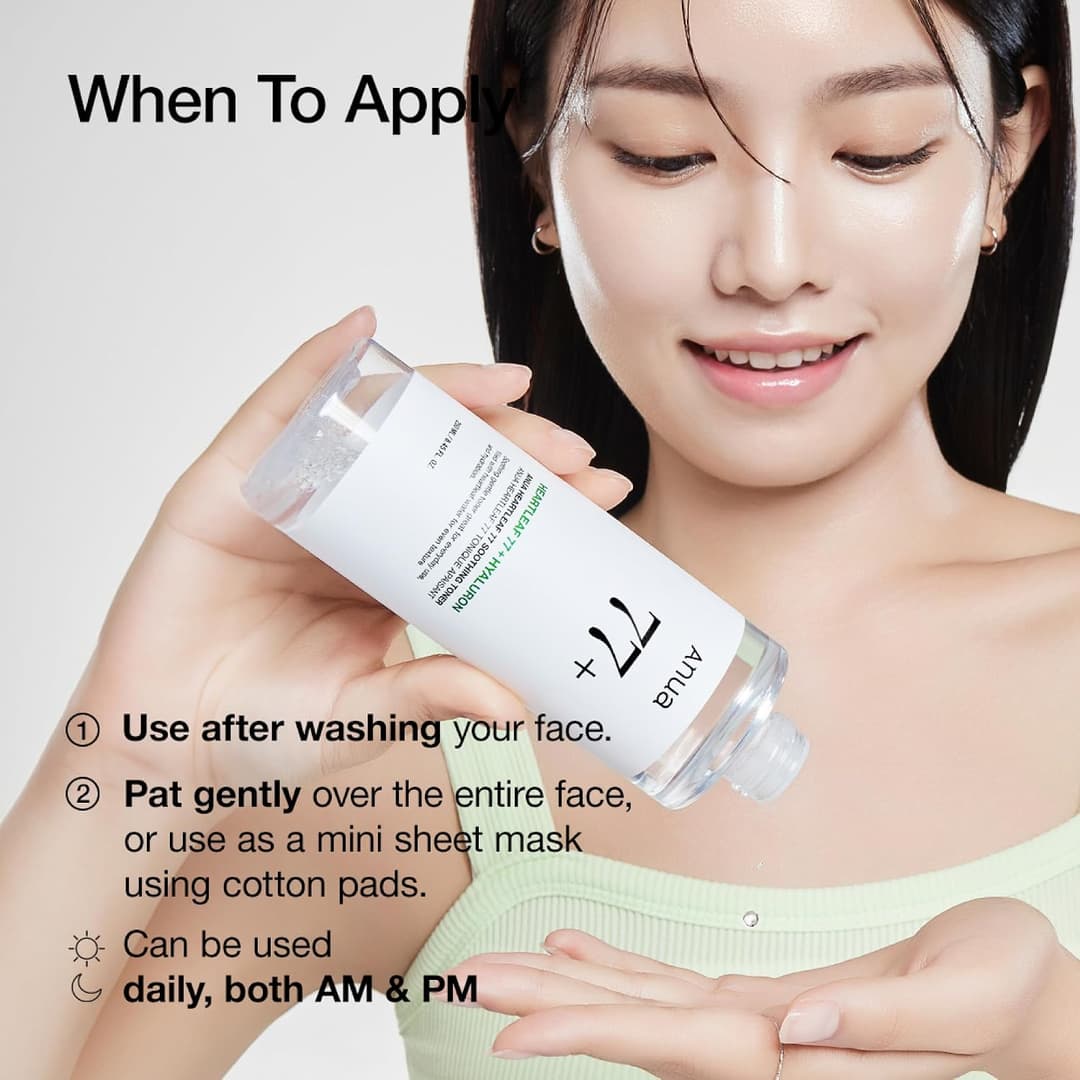
Anua
Anua Heartleaf 77 Soothing Toner, 8.45 fl oz
A watery heartleaf toner for the back-to-basics weeks: hydration first, actives later.
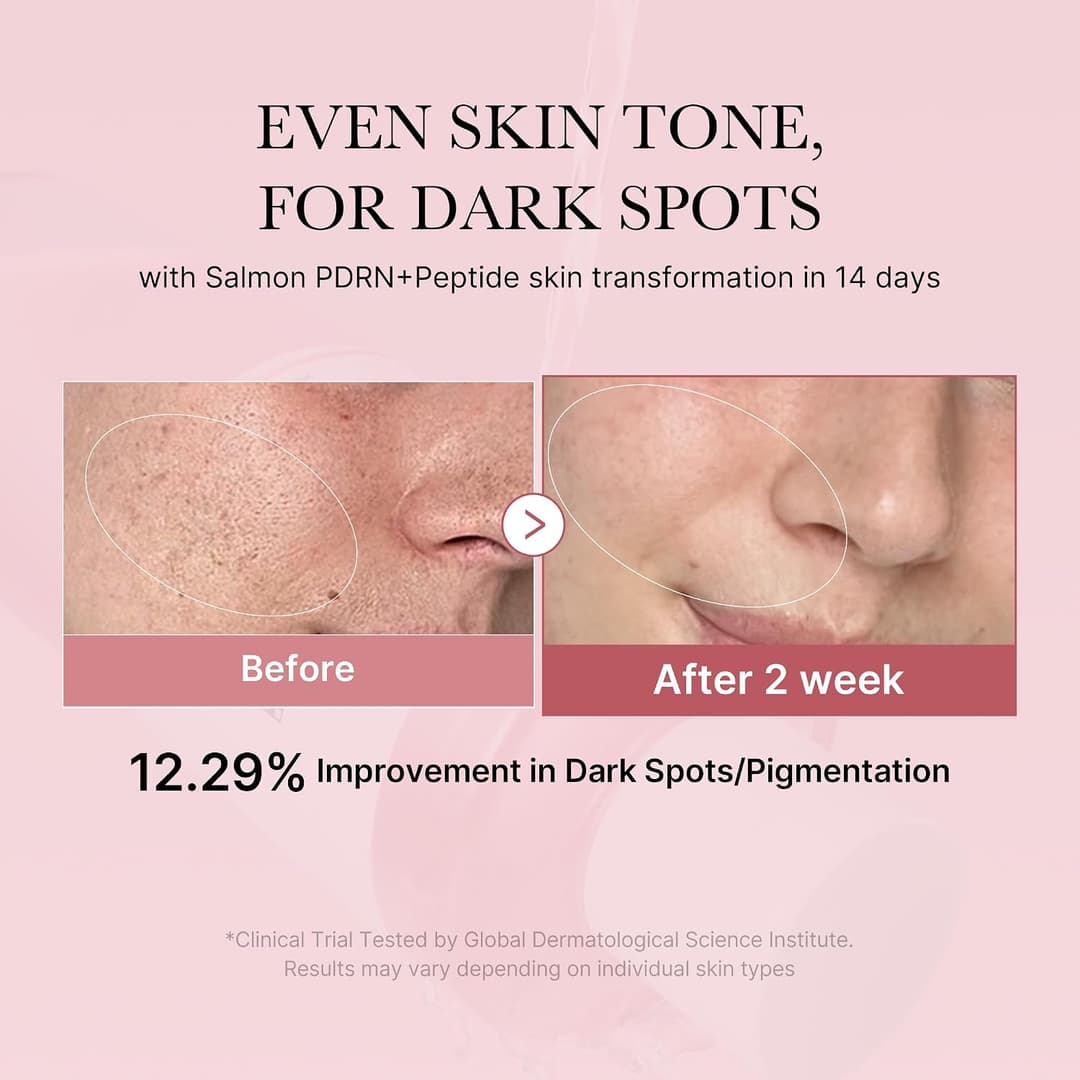
medicube
medicube PDRN Toner Salmon DNA PDRN CICA Soothing Toner, 8.45 fl oz
A fragrance-light CICA toner for when comfort matters more than actives.
Browse all hydration products · Related reading: damaged skin barrier · sensitive skin and redness
Frequently Asked Questions
Is colloidal oatmeal better than oat extract? They are different ingredients, and neither wins automatically. Colloidal oatmeal has a specific manufacturing definition and regulatory status; oat extract varies by product and formula. Judge the full formula, not the ingredient name.
Can I use colloidal oatmeal with sunscreen? Yes. It fits into a gentle morning routine but does not replace sun protection. Apply moisturizer first, then sunscreen as the final morning step.
Does salicylic acid cause purging? New bumps can appear after introducing any exfoliant, but not every flare-up is purging. Dryness, stinging, and widespread redness point to intolerance rather than progress, and mean you should scale back.
How often should I use glycolic acid on my body? Start once weekly and watch how skin responds before increasing. More frequent use is not faster, and over-exfoliated skin looks worse, not smoother.
Can I use salicylic acid with retinol? Combining them raises the odds of dryness and irritation, especially for beginners. Alternate nights, or use just one until you know your tolerance.
When should I see a dermatologist? Go if hives persist or keep returning, or if you have a painful rash or noticeable swelling. Seek urgent care for difficulty breathing, swelling of the mouth or throat, or faintness.
Sources
- FDA: Alpha Hydroxy Acids
- FDA: OTC Topical Acne Drug Products, 21 CFR 333.310
- FDA: OTC Monograph M016, Skin Protectant Drug Products
- American Academy of Dermatology: Retinoid or Retinol?
- American Academy of Dermatology: Hives Self-Care
- American Academy of Dermatology: Keratosis Pilaris Self-Care
- American Academy of Dermatology: Skincare Product Order
- Yentzer et al.: Do topical retinoids cause acne to flare?
Cosmetic educational content only. Patch-test new products, follow the product label, and consult a dermatologist if symptoms persist or become severe.