Your skin got through the summer. Sunscreen, sweat, swimming, more sunscreen — and it was fine. Then the first cold morning of October hit, and somewhere between washing your face and reaching for your moisturizer, you felt it: a tightness that wasn't there last week. A flake on your cheek. A serum that suddenly stings like it owes you money.
If that sounds familiar, you are not broken and your products have not expired. The air changed — and skin notices before you do. This fall skincare routine walks through the five problems October actually creates, in the order you should deal with them: sudden dryness, stinging everything, a retinol you are afraid to restart, summer dark spots that refused to leave, and flat dehydrated skin. No ten-step promises. Five fixes, in order, with the reasoning behind each one.
What October actually does to your skin
Two things change when the season turns, and both are measurable. First, humidity drops, so water escapes through the outer skin layer faster — dermatologists call this transepidermal water loss, and it rises in dry, cool weather. Second, you turn on the heating: a Korean study found that just six hours in a heated indoor environment made facial skin rougher and redder, with visible pores and dryness.
That combination is why the same face that tolerated a strong retinoid in August can sting in October. The barrier is thinner on paper — not damaged, just temporarily worse at holding water. Everything below follows from that one fact.
Problem 1: Sudden dryness and flaking
"Why is my skin dry all of a sudden" is one of the most common searches of the season, and the answer is rarely a new product failure. Your routine did not change; the weather did.
The mistake most people make is adding more of the wrong thing. A hyaluronic acid serum alone, for example, can leave skin drier in very dry air — humectants pull water in, but if there is no water in the air and no seal on top, they have nothing to hold. The fix is a pair, not a single ingredient:
- A humectant (glycerin, hyaluronic acid, panthenol) to draw water into the surface.
- An occlusive or lipid layer (dimethicone, petrolatum, cholesterol, squalane) to slow evaporation.
- Ceramides if your skin is already flaking — they are structural lipids of the outer skin layer, not a marketing term.
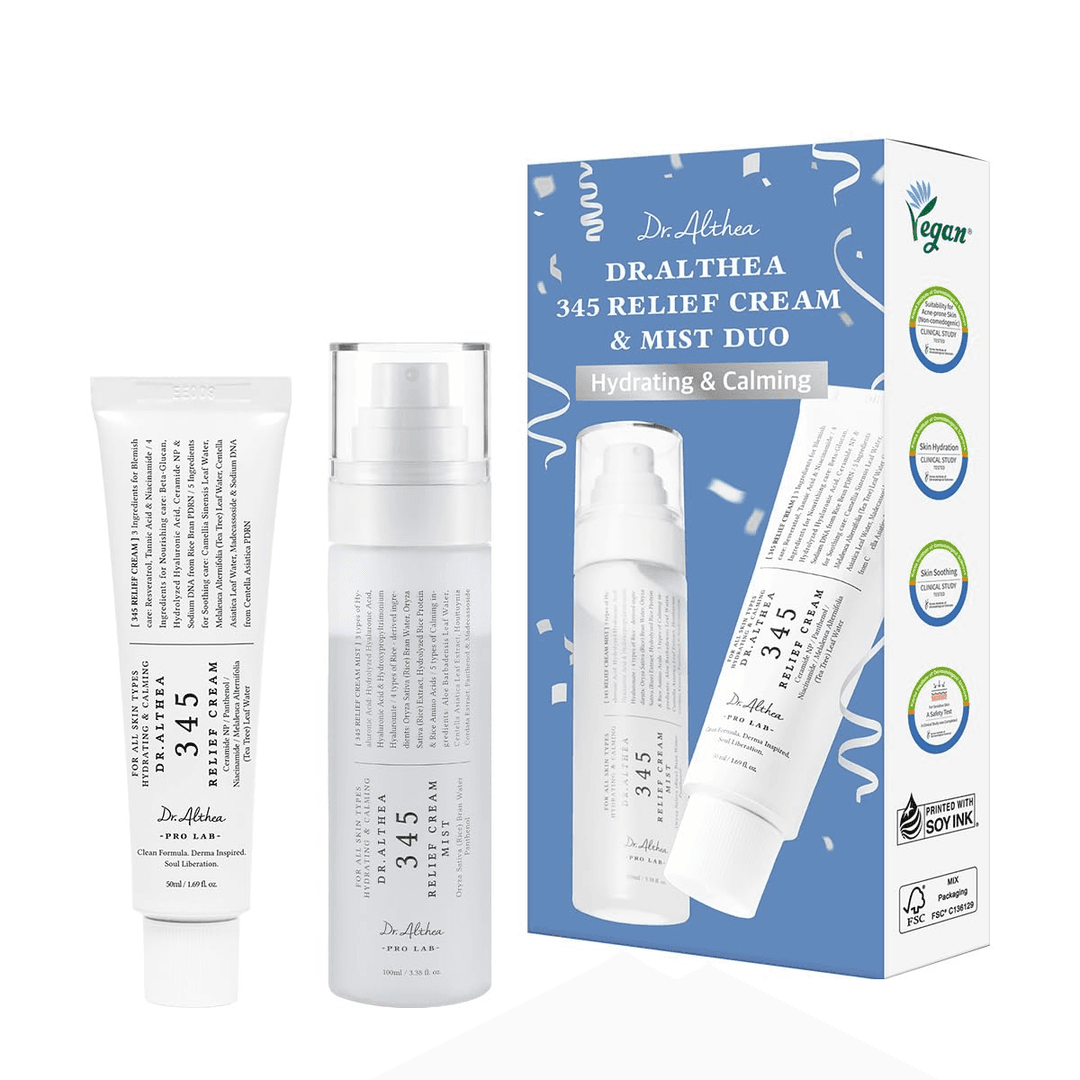
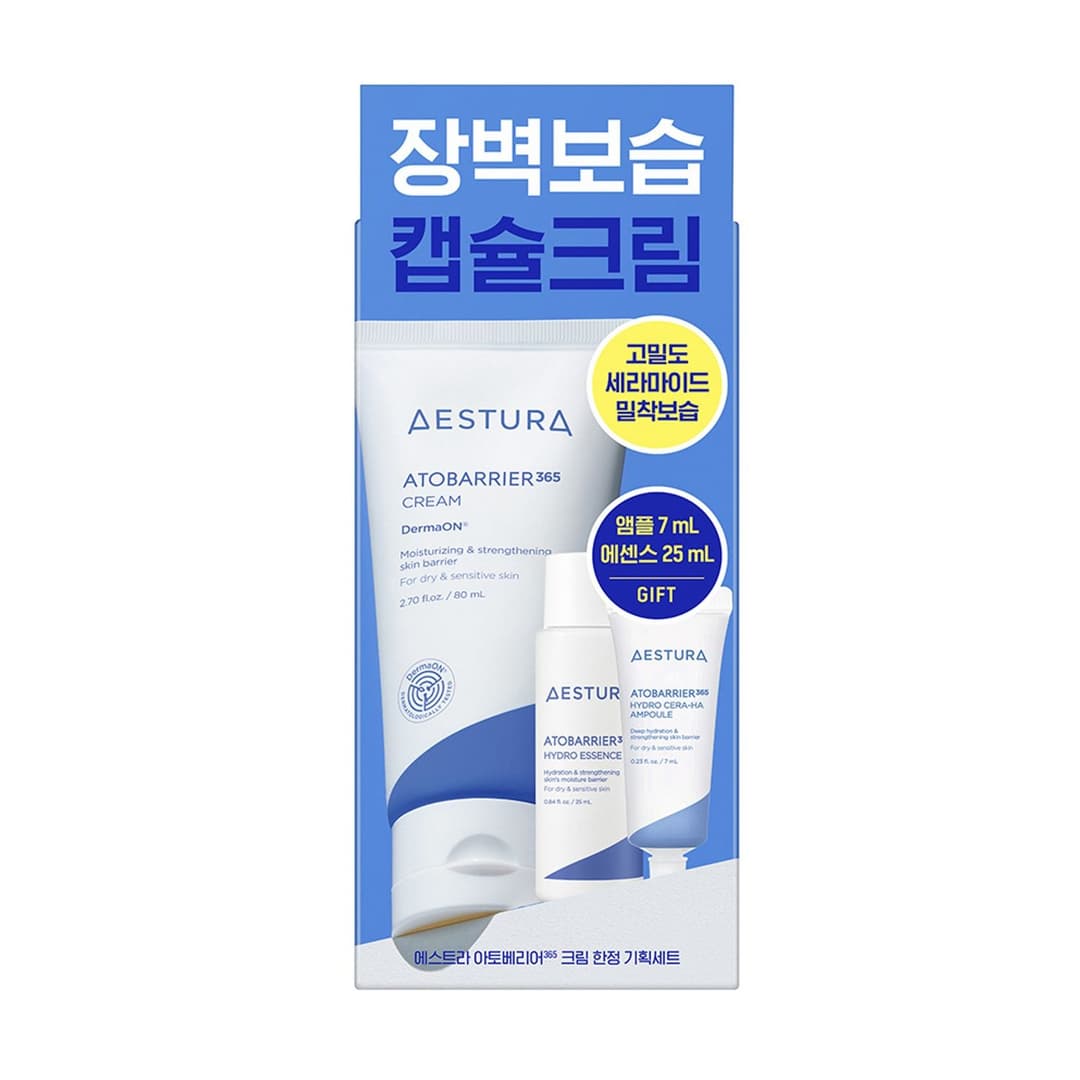
Practically: apply your moisturizer to skin that is still damp, within a minute of washing, and switch your evening cream to something richer than your summer gel. If you want proof that a barrier cream works, look at what Koreans actually bought this autumn — the Aestura Atobarrier365 Cream closed Olive Young's fall sale at number one in skincare, and the Dr.Althea 345 Relief Cream set was a September top-four pick. Boring, basic barrier care wins this season every year.
More on why the barrier matters: damaged skin barrier.
Problem 2: Everything suddenly stings — the 14-day reset
Stinging with products you used happily in September is the clearest signal that your barrier is temporarily impaired. It is not "purging," and it is not your skin "getting used to it."
For two weeks, do exactly this:
- Pause retinoids, AHA/BHA exfoliants, vitamin C serums, and anything fragranced.
- Keep a gentle cleanser (lukewarm water only), one barrier moisturizer, and sunscreen.
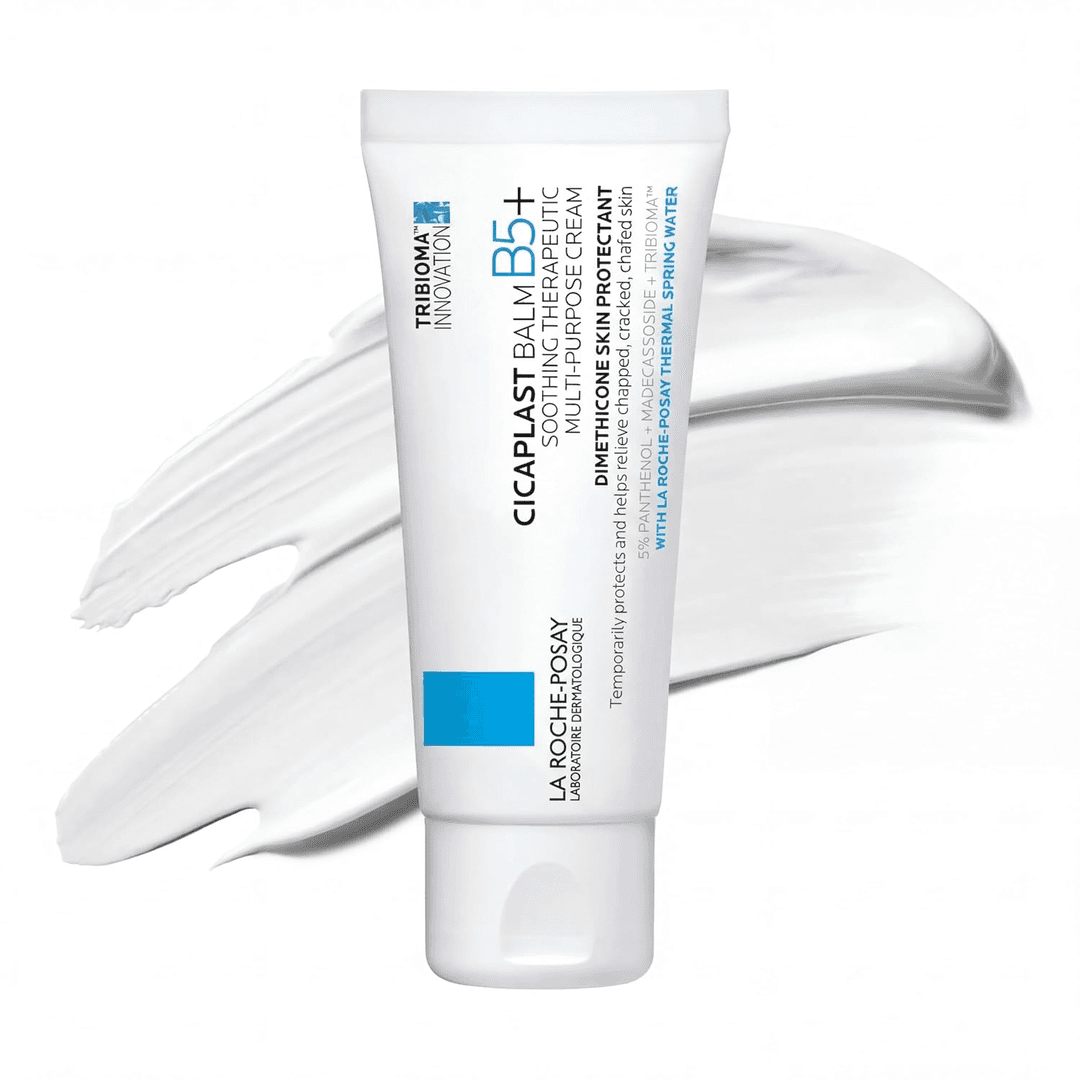
- Add a repairing balm on the stinging spots — La Roche-Posay Cicaplast Baume B5+ was the biggest riser of the Olive Young autumn sale for a reason: irritated, over-exfoliated, weather-stressed skin is exactly what it is for.
- Reintroduce one active at a time, a week apart, only after everything stops stinging.
If nothing stings after 14 days, your barrier is back and you can resume — slowly. If everything still stings, that is a dermatologist question, not a shopping question. See sensitive skin and redness for the longer version.
Problem 3: Restarting retinol after summer
Retinol was the most discussed ingredient in skincare communities this September, and for good reason: people take summer off (rightly — sun plus retinoids is a bad pairing), then don't know how to come back in October.
The restart protocol is unglamorous but checkable:
- Week 1–2: twice a week, at night, on top of your moisturizer (the "buffer" method reduces irritation without cancelling the retinoid).
- Week 3–4: every other night if — and only if — there is no stinging and no flaking.
- Then: nightly, and only move to a stronger formula after your skin has been comfortable for a full month.
Two details people get wrong. First, retinal is not "retinol but stronger marketing" — it is one conversion step closer to retinoic acid, which is why it works faster for some people; the full ladder is covered in our Celimax Vita-A retinal guide, which includes the irritation-avoidance steps for sensitive skin. Second, restarting retinol in autumn is actually the smart season to do it: you are indoors more, sun exposure is lower, and you have months of low-UV months ahead to push through the retinization weeks.
Morning after every retinoid night: sunscreen. Non-negotiable. See chemical vs mineral vs hybrid sunscreen if you are still choosing one. Background on fine lines and what topicals can realistically do: anti-aging and fine lines.
Problem 4: Summer dark spots that will not leave
The sun damage you earned in July does not disappear in September. Melanin that was deposited deeper takes months to fade, and rough texture from summer slows the visible clearing even more — which is why autumn is the correct season to start fading, not to panic about it.
Three moves, in this order:
- Sunscreen is step zero. Fading spots without daily SPF is pushing a boulder uphill — new pigment keeps arriving while you try to remove the old. This applies even in October, through windows, on cloudy days.
- One exfoliant, once a week to start. Glycolic and other AHAs lift surface cells that hold pigment; the mistake is pairing them with your retinoid on the same night in week one. Alternate nights, or use acid in the morning and retinoid at night.
- A targeted serum on the spots themselves. Niacinamide, vitamin C, azelaic acid and tranexamic acid each interrupt a different step of pigment production — the comparison of niacinamide vs vitamin C helps you pick one rather than layering three.
Expect months, not days. If a spot is raised, itching, or changing color, that is a dermatologist's call, not a serum's. Longer guide: dark spots and hyperpigmentation.
Problem 5: Flat, thirsty skin (and the "filler in a bottle" promise)
Search interest in Volufiline — sold online as "filler in a bottle" — jumped roughly 1,200% in a single month this autumn, and PDRN landed in almost every K-beauty headline. Both feed on the same October feeling: your skin looks deflated after a summer of sun and slow recovery.
Here is the honest read. What most people experience in fall is dehydration, not volume loss — the surface layers lose water, fine lines look deeper, and light bounces off unevenly instead of glowing. That part is genuinely fixable with layers: a hydrating mist or toner on damp skin, a humectant serum, then a cream to seal it. The Dr.Althea 345 duo (mist plus cream) exists precisely for this stacking approach. Dehydration lines from water loss respond within days; our dehydration guide explains why they were never true wrinkles.
What no cream does is put fat back into your face. PDRN and Volufiline are interesting, early-stage stories — what PDRN actually is covers the evidence without the hype — but if your concern is genuine volume loss, that is a conversation for a cosmetic dermatologist, not a $30 jar. Skincare can plump the surface convincingly. It cannot do filler work, and any product claiming otherwise is selling you the trend, not the result.
Your fall skincare routine, morning and night
| Step | Morning | Evening |
|---|---|---|
| 1 | Lukewarm water rinse (or a gentle cleanser if skin is oily) | Gentle cleanser — no scrubs, no hot water |
| 2 | Hydrating toner/mist on damp skin | Same toner/mist on damp skin |
| 3 | Antioxidant or brightening serum (spots: vitamin C or niacinamide) | Active night: retinoid or AHA — never both at first |
| 4 | Barrier moisturizer — richer than your summer one | Barrier moisturizer, applied within a minute of cleansing |
| 5 | Sunscreen SPF 30+, broad spectrum — every day | On irritation nights: repairing balm instead of actives |
Two weeks in this rhythm is usually enough to tell whether your October skin problem is weather — which responds fast — or something that needs a professional.
When dryness is more than dryness
See a dermatologist, don't keep shopping, if any of these last more than two weeks: itching that interrupts sleep, cracks that bleed, redness that spreads, or stinging from every product including plain moisturizer. Cold, dry weather raises the flare risk of eczema and rosacea, and an established flare usually needs treatment rather than a seventh product. The AAD eczema resource center is a solid starting point.
FAQ
Why is my skin dry all of a sudden in the fall?
Because the air is drier and your heating is on. Lower humidity speeds water loss through the outer skin layer, and heated indoor air makes it worse — studies measured roughness and redness increases after only six hours in a heated room. It is a weather problem, not a product failure, and it usually responds within two weeks to a humectant-plus-occlusive moisturizer applied to damp skin.
Why do my skincare products sting when the season changes?
Cool, dry weather weakens the skin barrier temporarily, so ingredients that never bothered you now get through more easily and trigger stinging. Pause retinoids, exfoliants and fragranced products for up to 14 days, keep only a gentle cleanser, barrier cream and sunscreen, then reintroduce one active at a time.
When should I restart retinol after summer?
October is ideal: sun exposure is lower and you have the low-UV months ahead to get through retinization. Start twice weekly over moisturizer, go to every other night after two weeks if there is no irritation, and only then to nightly use. Do not restart the same week you start exfoliating acids.
Do I still need sunscreen in October?
Yes. UVA rays — the ones that deepen dark spots and break down collagen — reach your skin year-round, through clouds and windows. If you are fading summer spots or restarting a retinoid, sunscreen is the step that decides whether your routine works at all.
Should I change my moisturizer for fall?
Usually yes. If your summer product was a gel or light lotion, move to a cream with humectants plus occlusives (and ceramides if you are flaking). Apply it to damp skin within a minute of washing — the same cream on dry skin holds less water than the same cream on damp skin.
How do I fade summer dark spots?
In order: daily broad-spectrum sunscreen, then one exfoliant (AHA) once weekly, then a targeted serum — niacinamide, vitamin C, azelaic acid or tranexamic acid. Expect months of consistency, not a two-week fix, and never combine a strong acid and a retinoid on the same skin on the same night while your barrier is still recovering.
Sources
- Engebretsen KA et al. The effect of environmental humidity and temperature on skin barrier function and dermatitis. J Eur Acad Dermatol Venereol, 2016 — PMID 26449379
- Park EH et al. Effects of winter indoor environment on the skin: unveiling skin condition changes in Korea. Skin Res Technol, 2023 — PMID 37357654
- Rajkumar J et al. The skin barrier and moisturization: function, disruption, and mechanisms of repair. Skin Pharmacol Physiol, 2023 — PMID 37717558
- American Academy of Dermatology — Eczema Resource Center
- Olive Young autumn 2026 sale rankings (700 slots tracked), GlowOlive, September 2026.
This article is educational and is not medical advice.