Korean skincare is known for lightweight textures, layered hydration, and a focus on maintaining comfortable, healthy-looking skin. For oily, acne-prone skin, the best routine is not the one with the most steps—it is the one that helps manage clogged pores and breakouts without irritating the skin barrier.
You can enjoy the Korean skincare approach while keeping your routine practical, gentle, and evidence-informed. If you are building your routine from scratch, our 10-step Korean skincare routine guide shows which steps are core and which are optional.
1. Morning Routine: Hydrate Without the Heavy Feel
Step 1: Use a gentle cleanser
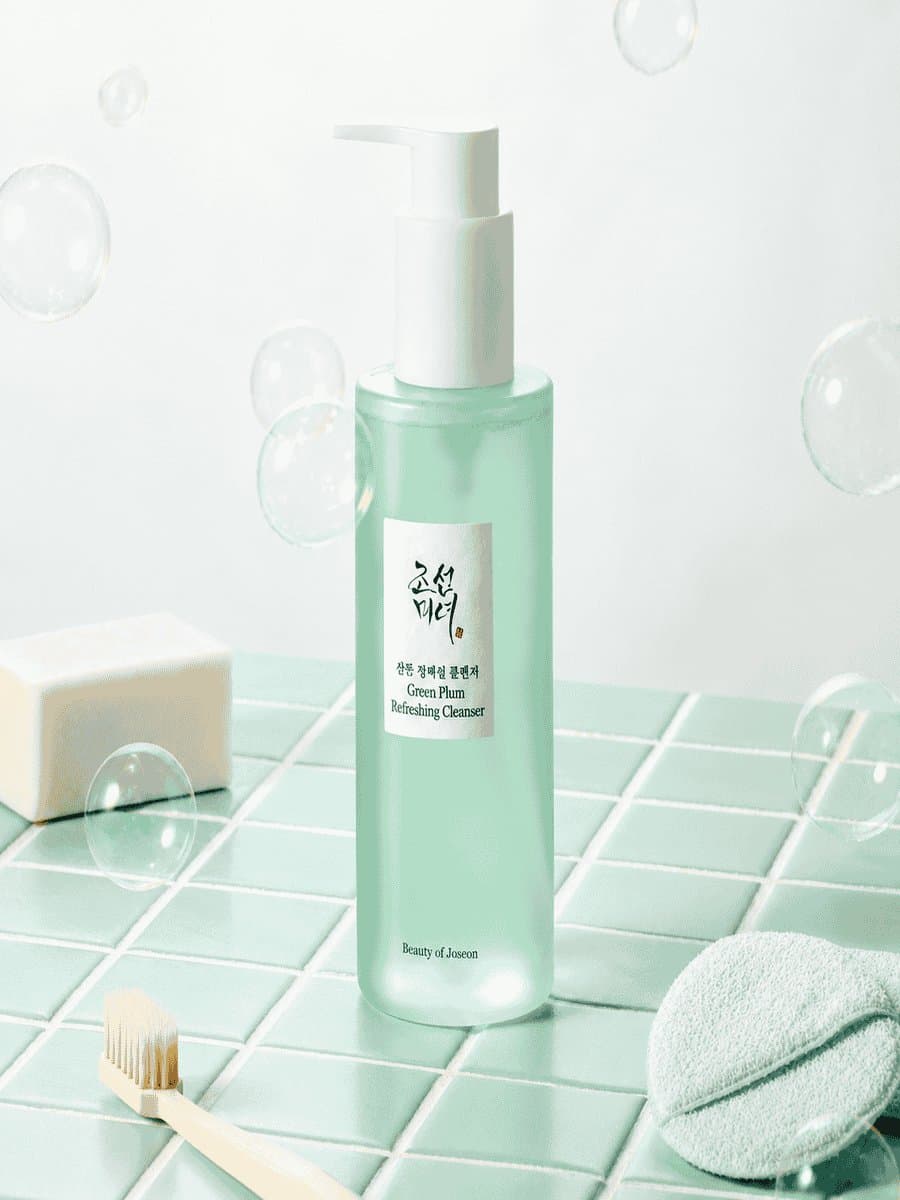
Choose a mild, water-based cleanser that removes overnight oil without leaving your face tight or uncomfortable. A low-foam gel cleanser may suit some oily skin types, but formulation and tolerance matter more than foam level.
If your skin feels dry or sensitive in the morning, rinsing with lukewarm water may be sufficient.
Step 2: Add a lightweight hydrating layer (optional)
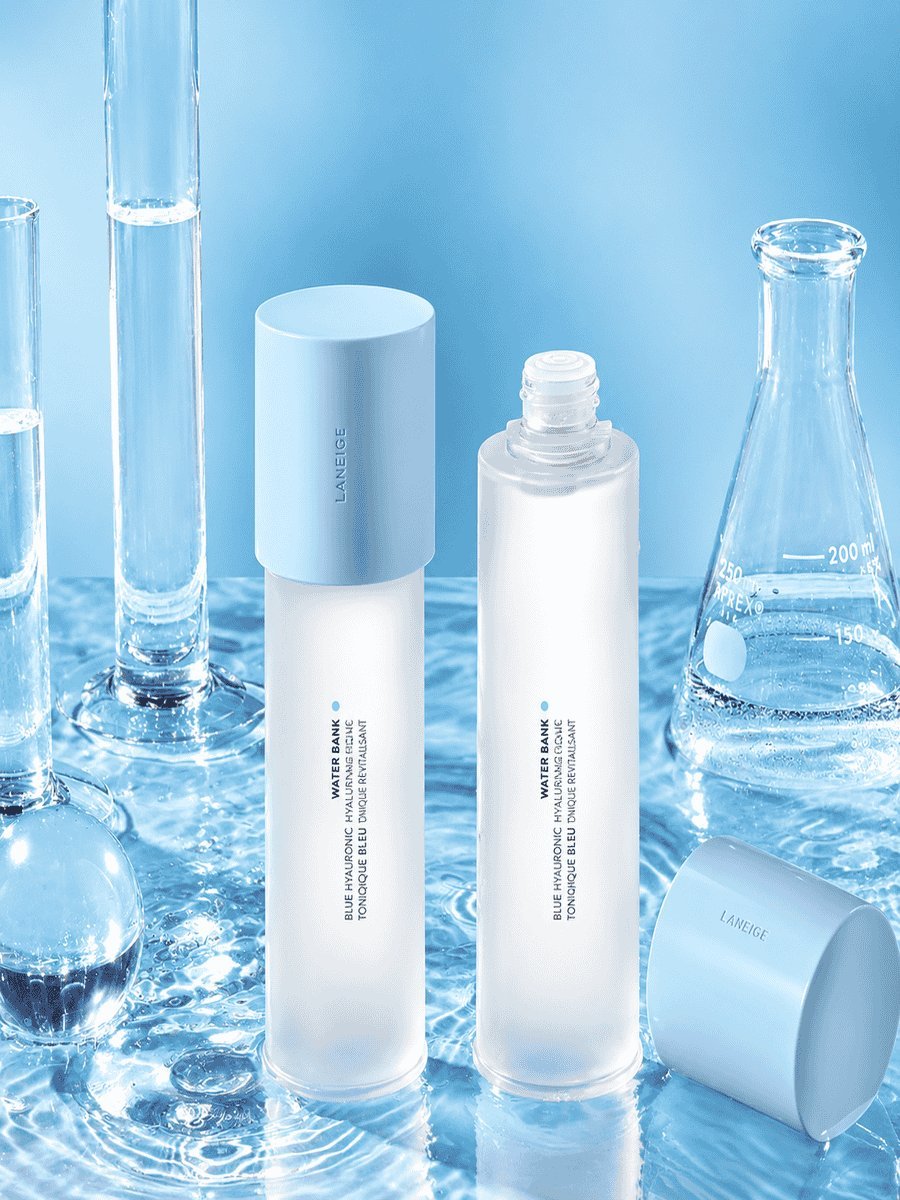
A Korean-style hydrating toner or essence can be useful if your skin feels dehydrated. Look for simple formulas containing humectants such as glycerin or hyaluronic acid.
This step is optional. You do not need a toner, essence, and serum all at once, and hydration alone does not treat acne.
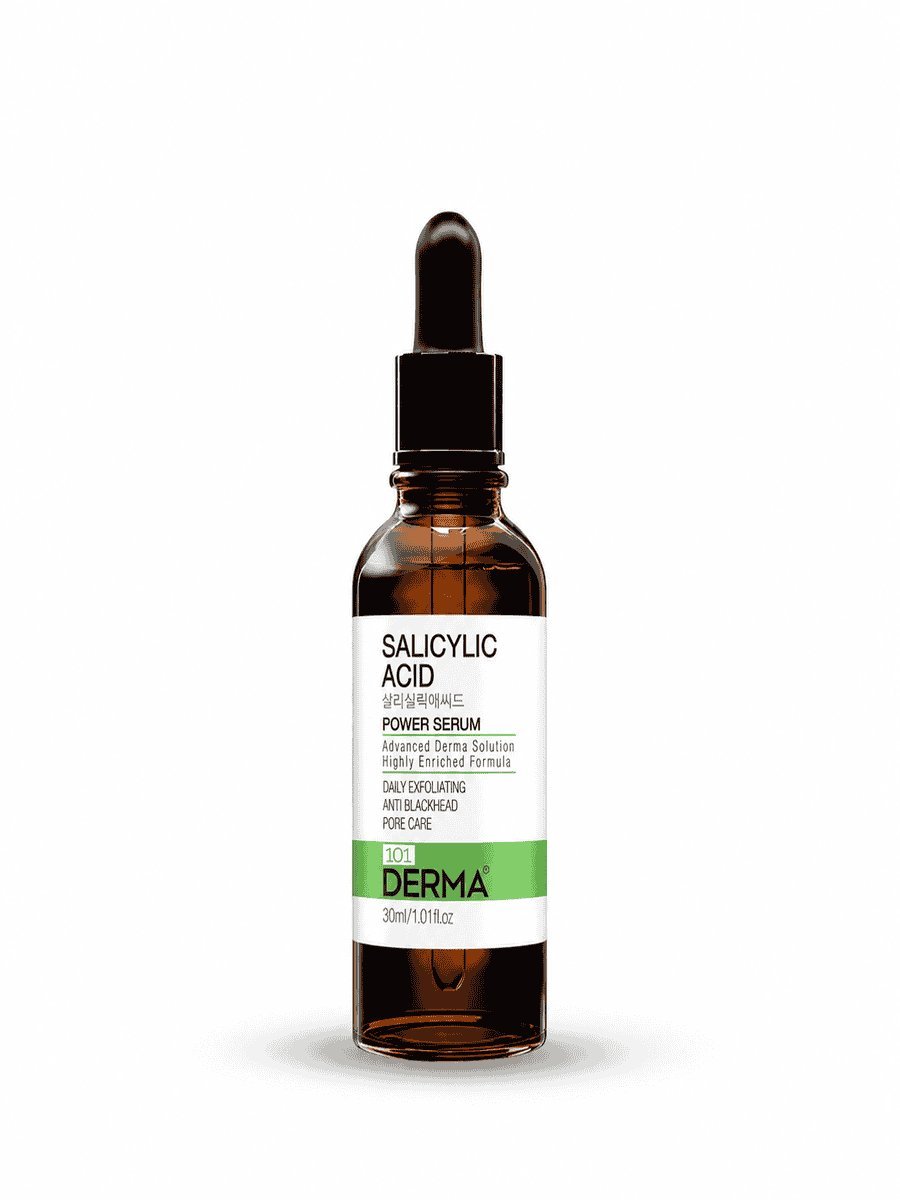
Step 3: Choose one targeted acne treatment
The best treatment depends on the type of breakout (our Acne concern guide maps each type to its match):
- Salicylic acid: May help with blackheads, whiteheads, and clogged pores.
- Benzoyl peroxide: Helps treat inflammatory acne.
- Topical retinoids: Such as adapalene, help prevent clogged pores and treat acne — see how to start with our Korean retinol guide for beginners.
Start with one active treatment, follow its instructions, and introduce it gradually to reduce the risk of irritation. If acne is persistent or moderate to severe, a healthcare professional can help you choose an appropriate treatment — our Acne Reset treatment plan shows how to track progress over 8–12 weeks.
Step 4: Apply a lightweight moisturizer
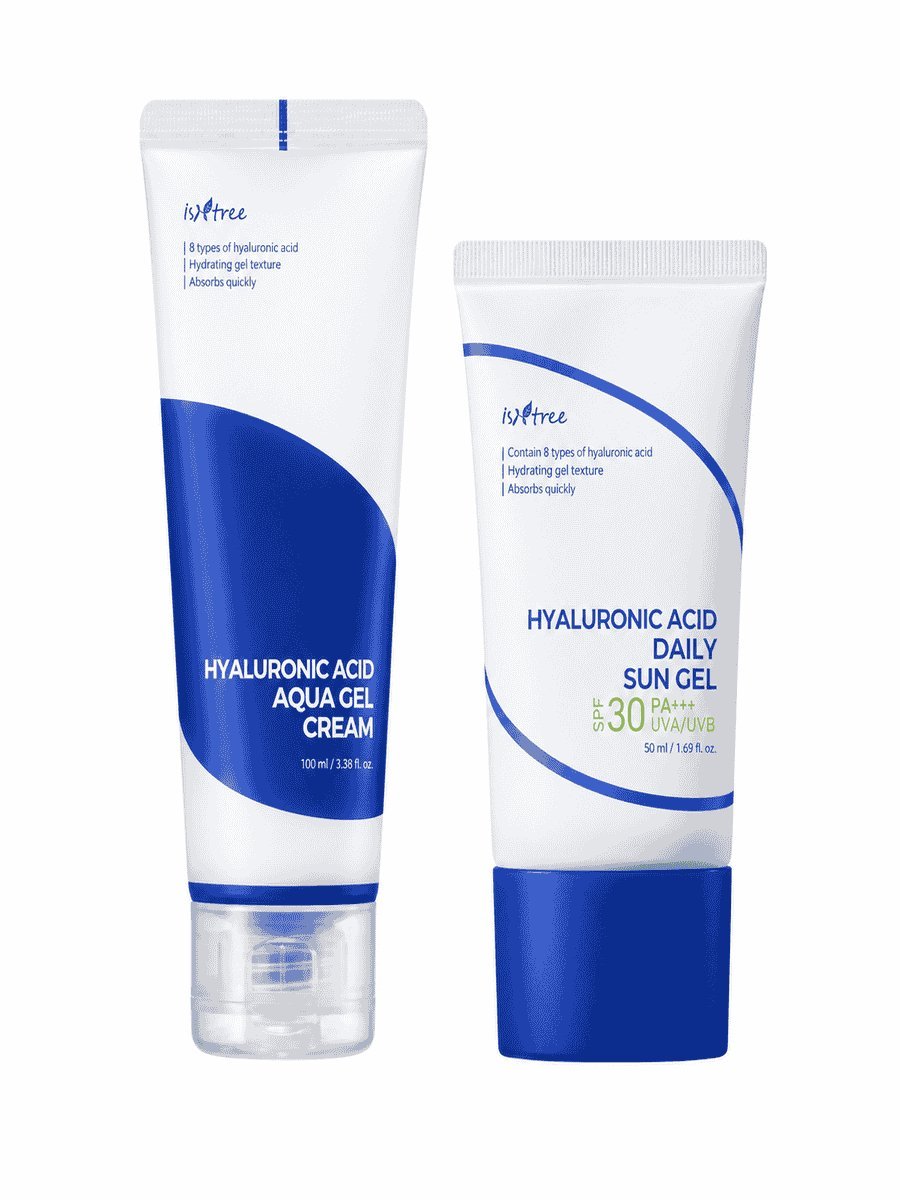
Even oily skin can become dehydrated or irritated. A lightweight gel-cream or lotion may be comfortable, but the label "oil-free" alone does not guarantee that a product will suit acne-prone skin.
Consider formulas with glycerin or ceramides to support hydration and the skin barrier. Choose a product that feels comfortable and does not appear to worsen your breakouts.
Step 5: Finish with sunscreen
Apply broad-spectrum SPF 30 or higher every morning. If you dislike a greasy finish, try a lightweight sunscreen designed for facial use — our chemical vs mineral vs hybrid sunscreen guide explains how to read filters in plain English. Reapply according to the label, particularly during extended outdoor exposure.
2. Evening Routine: Cleanse, Treat, and Support
Step 1: Remove sunscreen and makeup
If you wear makeup or water-resistant sunscreen, a cleansing oil or balm can help dissolve residue. Emulsify and rinse according to the instructions, then use a gentle cleanser if needed.
Double cleansing is optional. Avoid prolonged rubbing or repeated washing to force pores clear.
Step 2: Apply your acne treatment
Use your chosen treatment according to its directions. Avoid starting salicylic acid, benzoyl peroxide, and a retinoid all together unless a qualified clinician has advised you how to combine them.
Some dryness or irritation can occur with acne treatments. If you develop persistent burning, swelling, or significant peeling, stop the irritating product and seek professional advice.
Important: Topical retinoids are generally avoided during pregnancy or when trying to conceive. Discuss acne-treatment choices with a clinician in these circumstances.
Step 3: Moisturize
Finish with a comfortable moisturizer. Skincare that supports the skin barrier can make acne treatment easier to tolerate and help you maintain a consistent routine.
3. What About Popular Korean Skincare Ingredients?
Centella asiatica: Common in soothing skincare products. It may help some users feel more comfortable, but a cosmetic product containing centella should not be considered a stand-alone acne treatment.
Green tea: Used in some formulations for its antioxidant properties. Evidence for a particular product depends on its formulation and clinical testing.
Niacinamide: Often included in moisturizers and serums. It may support the skin barrier and can be a useful cosmetic ingredient, but it is not a substitute for established acne treatments when acne requires treatment.
Snail mucin: Popular for hydration. It is optional, and there is insufficient evidence to recommend it as a primary treatment for acne.
Salicylic acid: More directly relevant to clogged pores, although the concentration, formulation, and frequency of use affect both tolerability and results.
A trending ingredient is not automatically an effective acne treatment. Evaluate products by their ingredients, formulation, tolerability, and evidence—not by popularity alone.
4. Common Mistakes to Avoid
- Using a strong cleanser to remove every trace of oil.
- Exfoliating too frequently or combining too many active ingredients.
- Skipping moisturizer because your skin is oily.
- Changing the entire routine every few days.
- Assuming that "K-beauty," "natural," or "non-comedogenic" guarantees a product will work for everyone.
- Expecting acne to clear overnight.
Consistency matters. Many acne treatments require several weeks to show improvement, and some need a few months for a fair assessment.
5. Your Simple Korean-Inspired Routine
Morning
- Gentle cleanser, if needed.
- Optional hydrating toner or essence.
- One suitable acne treatment, if appropriate for morning use.
- Lightweight moisturizer.
- Broad-spectrum sunscreen.
Evening
- Remove makeup and sunscreen when necessary.
- Gentle cleanser.
- One targeted acne treatment.
- Moisturizer.
You can skip any optional step that does not improve comfort or fit your needs.
Final Thoughts
A Korean skincare routine for oily, acne-prone skin does not need ten products. A gentle cleanser, a suitable acne treatment, a comfortable moisturizer, and daily sunscreen are a strong starting point.
The goal is balanced skin care—not eliminating every drop of oil. If breakouts are painful, leave scars, or persist despite a consistent routine, consult a dermatologist for individualized treatment.
Shop this routine
Cosmetic picks from our catalog — open a product to compare current Amazon and Olive Young prices.
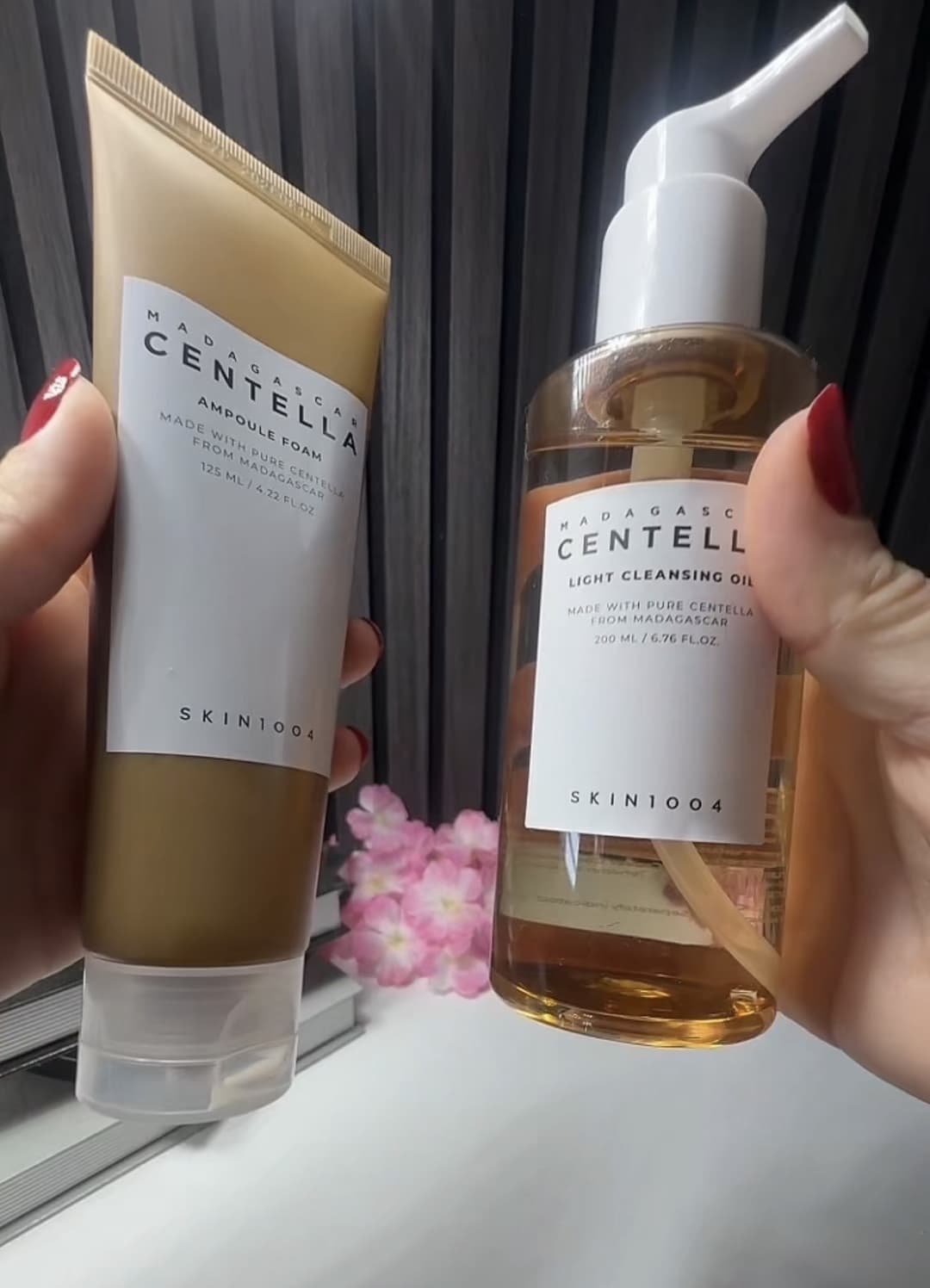
- Cleanse: SKIN1004 Madagascar Centella Double Cleansing Duo for the evening removal step, and ROUND LAB 1025 Dokdo Cleanser as the gentle low-pH wash.
- Hydrate: Anua Heartleaf 77 Soothing Toner for the optional lightweight layer.
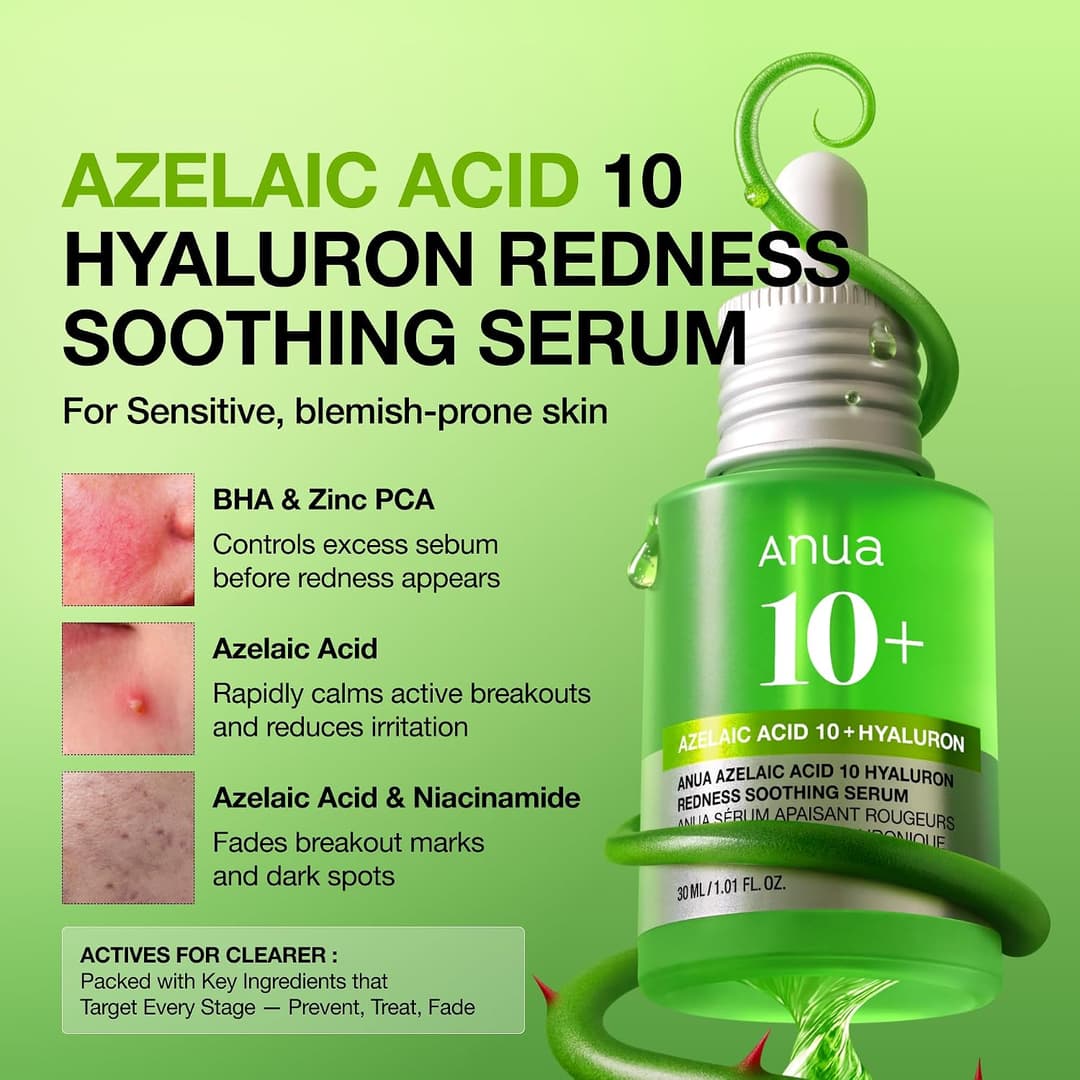
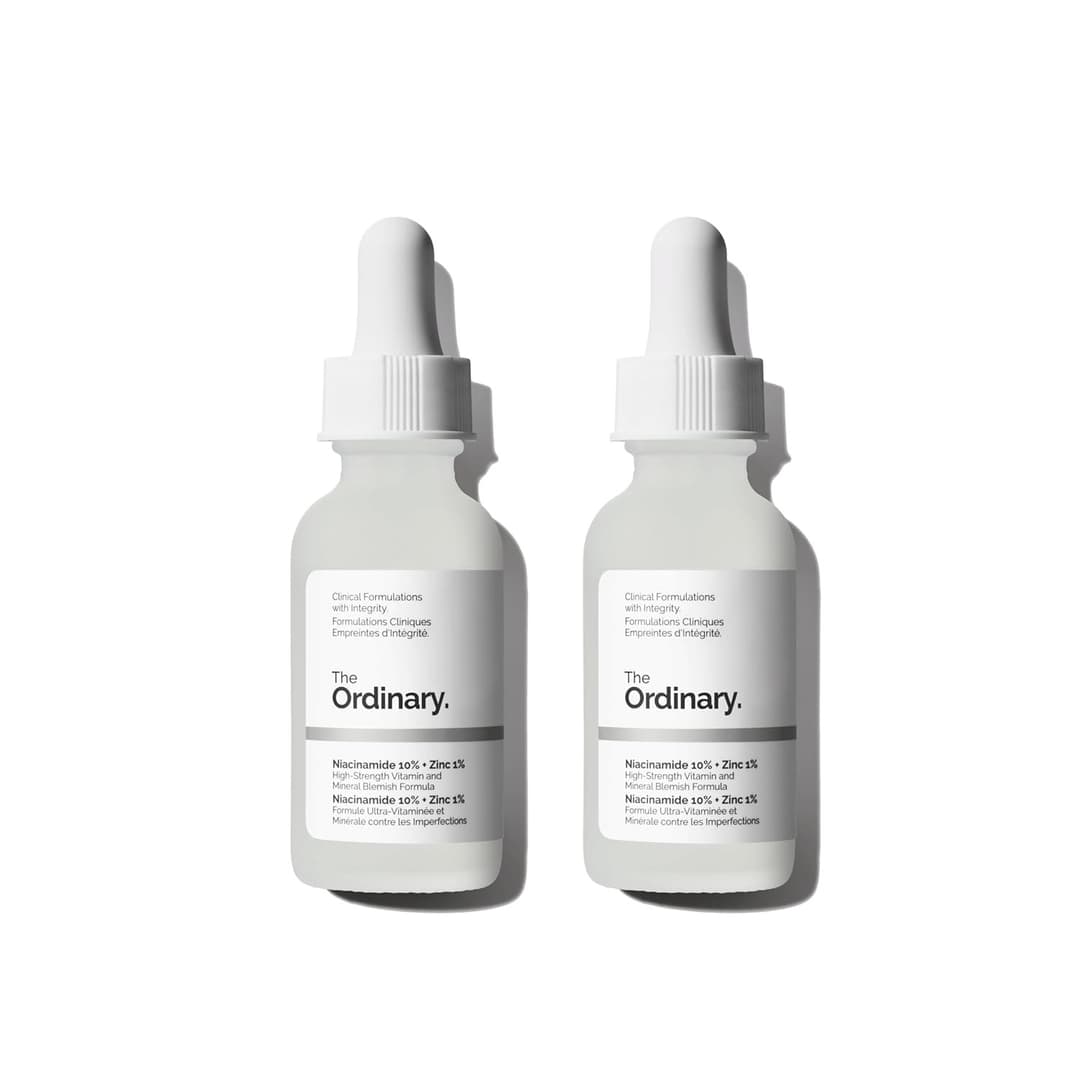
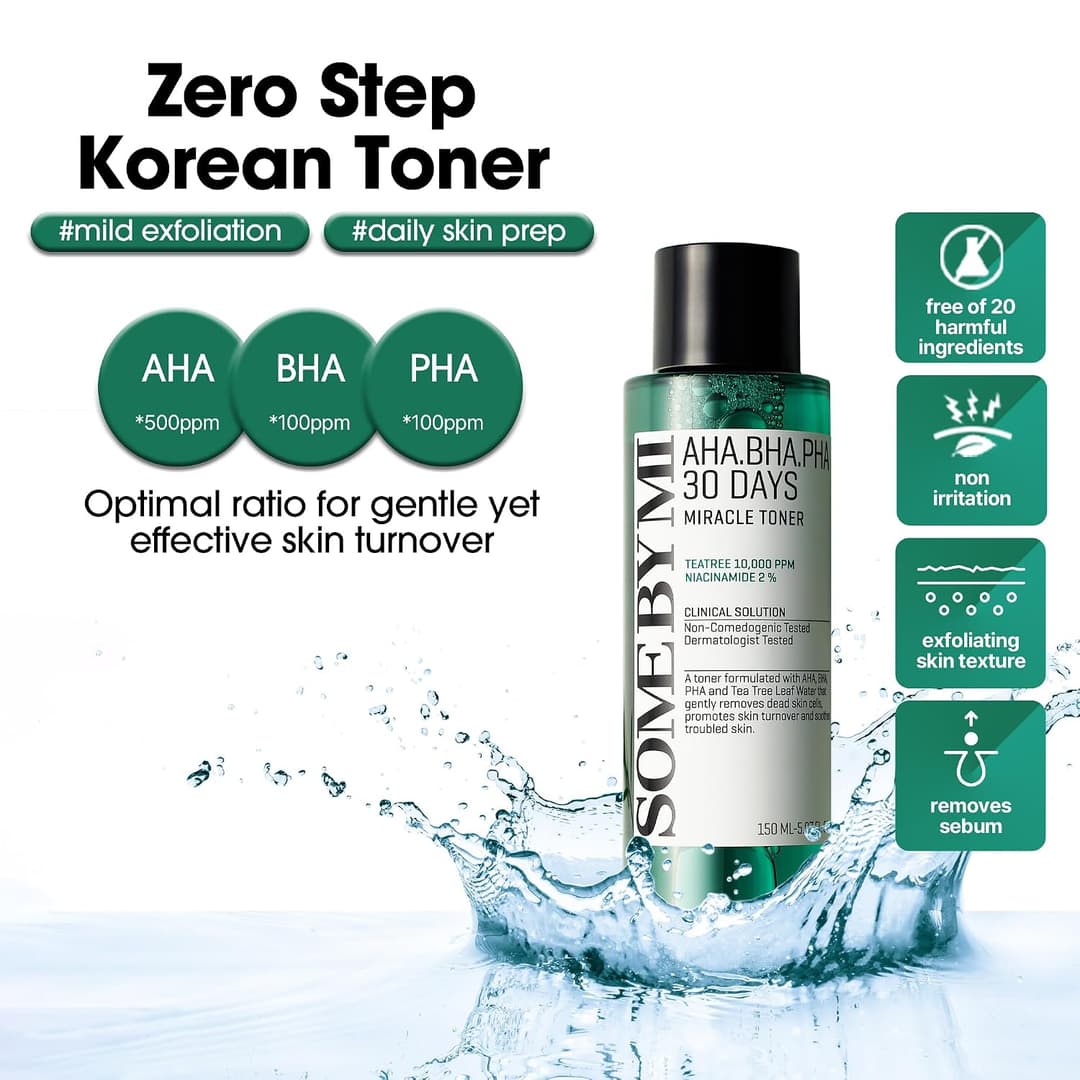
- Treat: Anua Azelaic Acid 10% + Hyaluron Serum for redness and post-blemish marks · SOME BY MI AHA BHA PHA Toner on exfoliating nights · The Ordinary Niacinamide 10% + Zinc for oil balance.
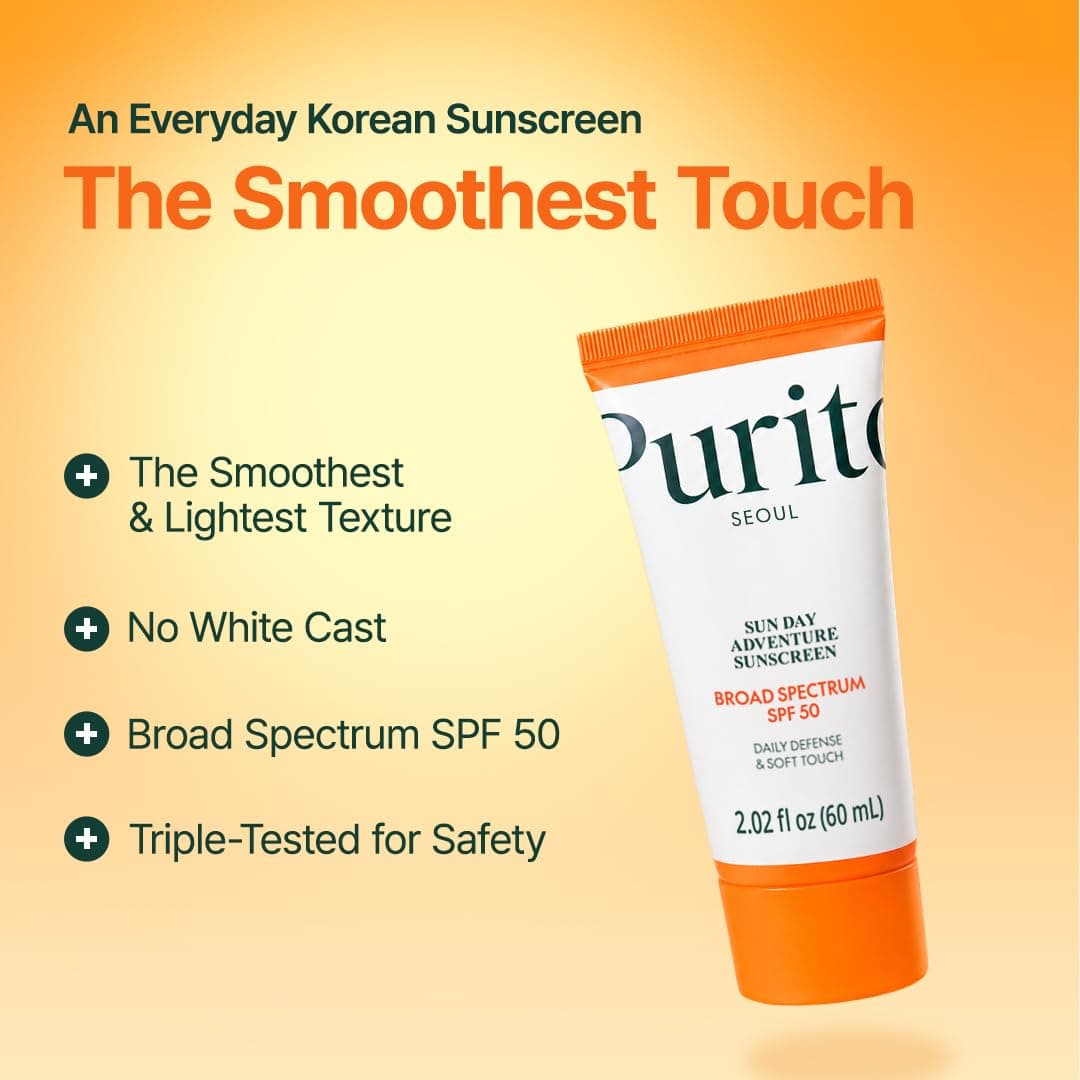
- Protect: Purito Seoul Daily Soft Touch SPF50+ as the lightweight daily finish.
This article provides general skincare education and is not a substitute for medical advice.